How to Store Lithium Tool Batteries in Winter: 7 Steps to Protect Your Packs
If you want to know how to store lithium tool batteries in winter, the short answer is simple. Bring them indoors, park them at roughly half charge, and keep them off the charger. The rest of this guide explains why those habits work and how to do each one properly.
A cold garage will not usually kill a pack overnight. The real damage comes from three mistakes: storing packs full or flat, letting them freeze, and charging them while they are still cold. All three are easy to avoid once you know the numbers.
We independently evaluate every recommendation. If you buy through our links, we may earn a commission at no extra cost to you.
Quick Answer: Winter Storage Settings
- Charge level: about 40 to 50 percent, which is two lights on a four-light fuel gauge
- Temperature: a stable 40°F to 80°F
- Location: indoors, dry, out of the tool and off the charger
- Check-in: every two to three months
- Before charging: let the pack reach room temperature, and never charge below 32°F
Why Winter Is Hard on Lithium Tool Batteries
A lithium-ion cell moves lithium ions through a liquid electrolyte. Cold thickens that electrolyte and raises the cell’s internal resistance, so the pack delivers less current and the voltage sags under load. That is why a drill feels weak on a freezing morning.
This runtime loss is mostly temporary. Sara Godding, vice president of product management at DeWalt, told Bob Vila that cold air reduces capacity and efficiency, which shortens run times and can stop a pack from charging properly. Warm the pack up and most of that performance returns.
Charging is where permanent damage happens. Below freezing, lithium can plate onto the anode as metal instead of slotting into it, and that capacity never comes back. The National Fire Protection Association advises against charging lithium-ion batteries below 32°F or above 105°F.
Operating range is a different question from storage. Milwaukee rates its REDLITHIUM packs to work down to minus 4°F, according to SlashGear. A pack that can run in that cold still should not be stored or charged in it.
The Numbers: How Charge and Temperature Affect Capacity
The best-known storage data comes from Battery University. It estimates how much capacity a lithium-ion battery keeps after one year in storage. The two variables are temperature and state of charge.
| Storage temperature | Stored at 40% charge | Stored at 100% charge |
|---|---|---|
| 32°F (0°C) | 98% capacity kept | 94% capacity kept |
| 77°F (25°C) | 96% capacity kept | 80% capacity kept |
| 104°F (40°C) | 85% capacity kept | 65% capacity kept |
Two lessons stand out. First, a full pack at room temperature loses about 20 percent of its capacity in a year, while a pack at 40 percent loses about 4 percent. Charge level matters more than most people expect.
Second, heat does more harm than cool air. A shelf beside the furnace is a worse choice than a cool basement corner. Battery University puts the recommended storage temperature for most batteries at 59°F (15°C).
Storage habits also affect how many working years you get. STIHL says its packs begin to show capacity loss after roughly 800 charge cycles, and that leaving a battery in a cold shed can change that figure. Good storage protects the cycles you paid for.
How to Store Lithium Tool Batteries in Winter: 7 Steps
Step 1: Remove the Battery From the Tool and the Charger
Slide every pack out of its tool before storage. Tool electronics can draw a small standby current, and a pack left in a tool for months can drain far lower than you intended. Take packs off the charger too, because the NFPA advises against continued charging once a battery is full.
Step 2: Clean and Inspect Each Pack
Wipe off dust and metal filings with a dry cloth, then look closely at the case and terminals. The NFPA lists the warning signs: odor, a change in color or shape, too much heat, leaking, or odd noises. A pack showing any of these should go to a battery recycling point instead of onto your shelf.
Step 3: Set the Charge to About 40 to 50 Percent
Consumer Reports recommends roughly 40 percent charge for any lithium-ion tool battery that will sit for 30 days or longer. On a four-light gauge, each light is worth about 25 percent. Run the pack in a tool until the third light goes out and two remain.
Never store a pack empty. Lithium-ion cells slowly self-discharge, and a flat pack can drop below its low-voltage cutoff. At that point many chargers will refuse it.
Step 4: Choose a Cool, Stable, Indoor Spot
Consumer Reports says most batteries do best between 40°F and 80°F, and DeWalt’s guidance through Bob Vila is about 50°F to 85°F. A basement shelf, utility room, or interior closet fits both ranges. Keep packs away from heaters, sunny windows, and anything flammable.
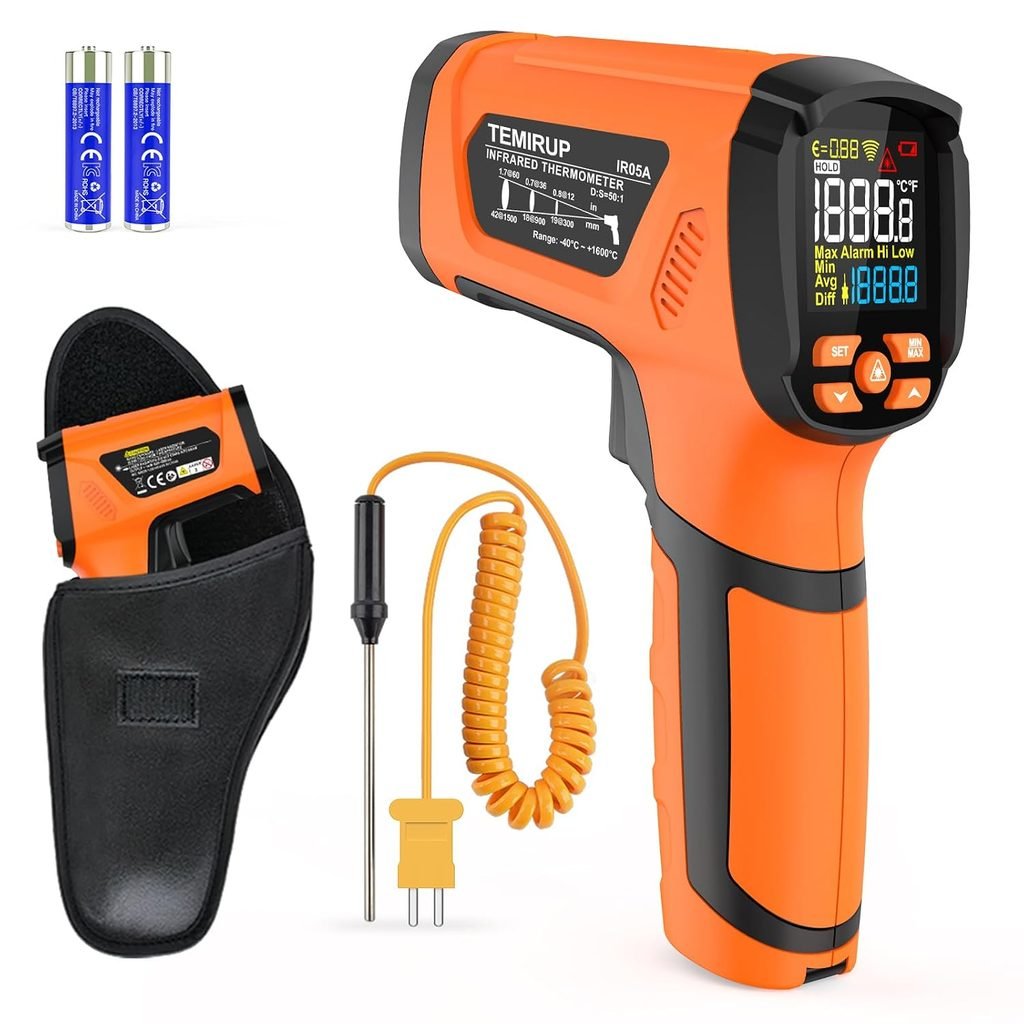
Not sure how cold your storage spot gets? Leave a min/max thermometer there for a full week before you commit to it. A lowest reading above 40°F means the spot is safe for the season, while anything near freezing means the packs belong indoors until spring.
Step 5: Keep Packs Dry and Protect the Terminals
Moisture is the quiet winter threat. When a cold pack comes into a warm room, condensation can form on the terminals and inside the case. Let it sit and reach room temperature before you use or charge it.
Cover the terminals or keep each pack in its own slot so no screws, keys, or bits can bridge the contacts. A dedicated case solves this and keeps your packs together.
Step 6: Check the Charge Every Two to Three Months
Set a phone reminder for midwinter. Press the fuel gauge button on each pack, and top up any that have fallen to one light. Snapper’s winter storage guide gives the same advice, because deep discharge can permanently damage a lithium-ion battery.
Step 7: Warm Packs Up Before the First Spring Charge
Before the first job of spring, let stored packs rest indoors for a few hours. DeWalt’s manuals suggest charging where the air is about 65°F to 75°F. Then charge to full and get back to work.
Best and Worst Places to Store Tool Batteries
| Location | Verdict | Why |
|---|---|---|
| Basement or utility room shelf | Best | Cool, stable, and above freezing all winter |
| Interior closet | Best | Dry and steady room temperature |
| Insulated attached garage | Acceptable | Fine if it stays above 40°F; use an insulated box |
| Unheated shed or detached garage | Avoid | Freezing temperatures and condensation |
| Work truck or van overnight | Avoid | Wide temperature swings and theft risk |
| Beside a furnace, heater, or sunny window | Avoid | Heat speeds up permanent capacity loss |
If the garage is your only option, DeWalt’s Godding suggests an insulated storage box or cabinet to moderate the temperature. Bring the packs indoors during the coldest spells. Organizing your shop for winter is easier with the right setup, and our workshop storage guides cover the options.
What If Your Manual Says Something Different?
Brands do not fully agree on storage charge. Several DeWalt manuals recommend storing a fully charged pack in a cool, dry place off the charger. Greenworks advises charging to full every two months and then draining back to 40 percent, according to Consumer Reports.
When your manual and general guidance differ, follow the manual for your specific pack. The common ground is the same across every brand: store indoors, cool and dry, off the charger, and never empty.
Gear That Makes Winter Battery Storage Easier
You do not need to spend much to store batteries well. These low-cost items handle the three winter risks: cold, moisture, and short circuits.
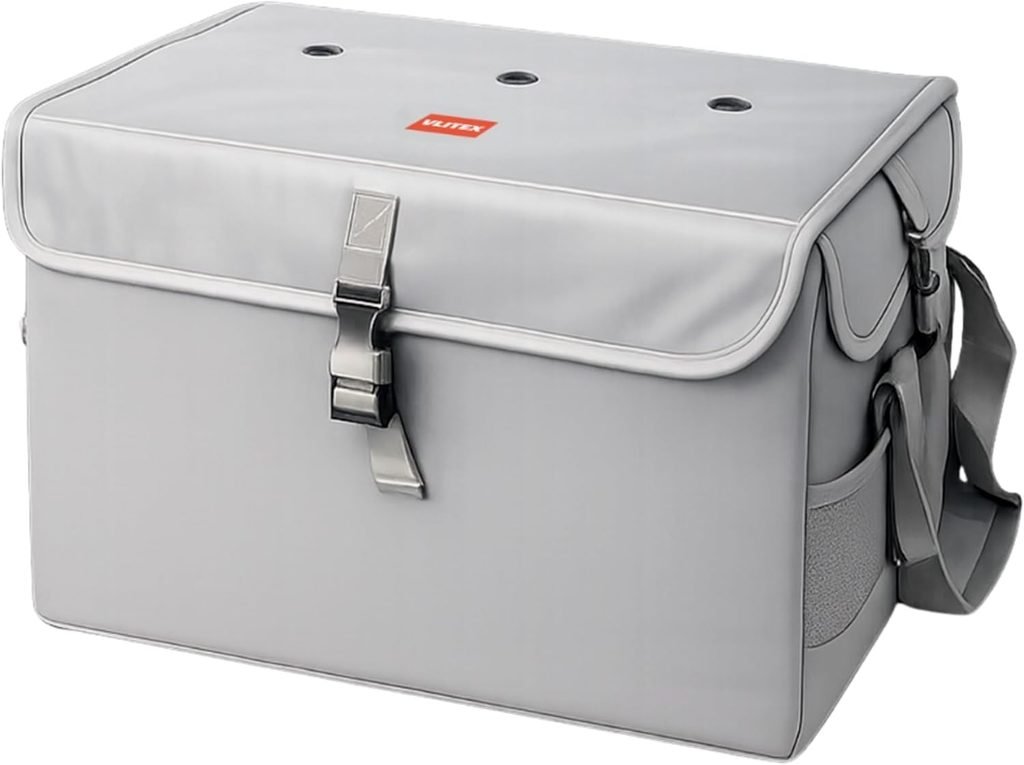
Insulated Storage Box
Slows temperature swings in a garage that stays above freezing.
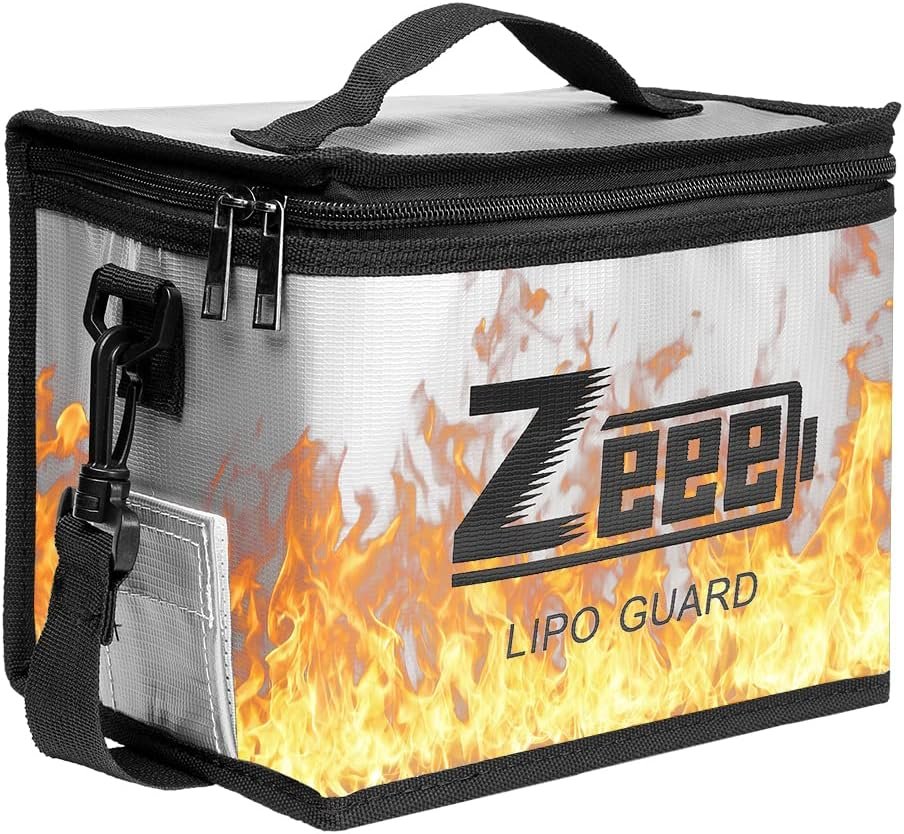
Fire-Resistant Battery Bag
Adds a layer of containment for stored packs. It does not replace inspection.
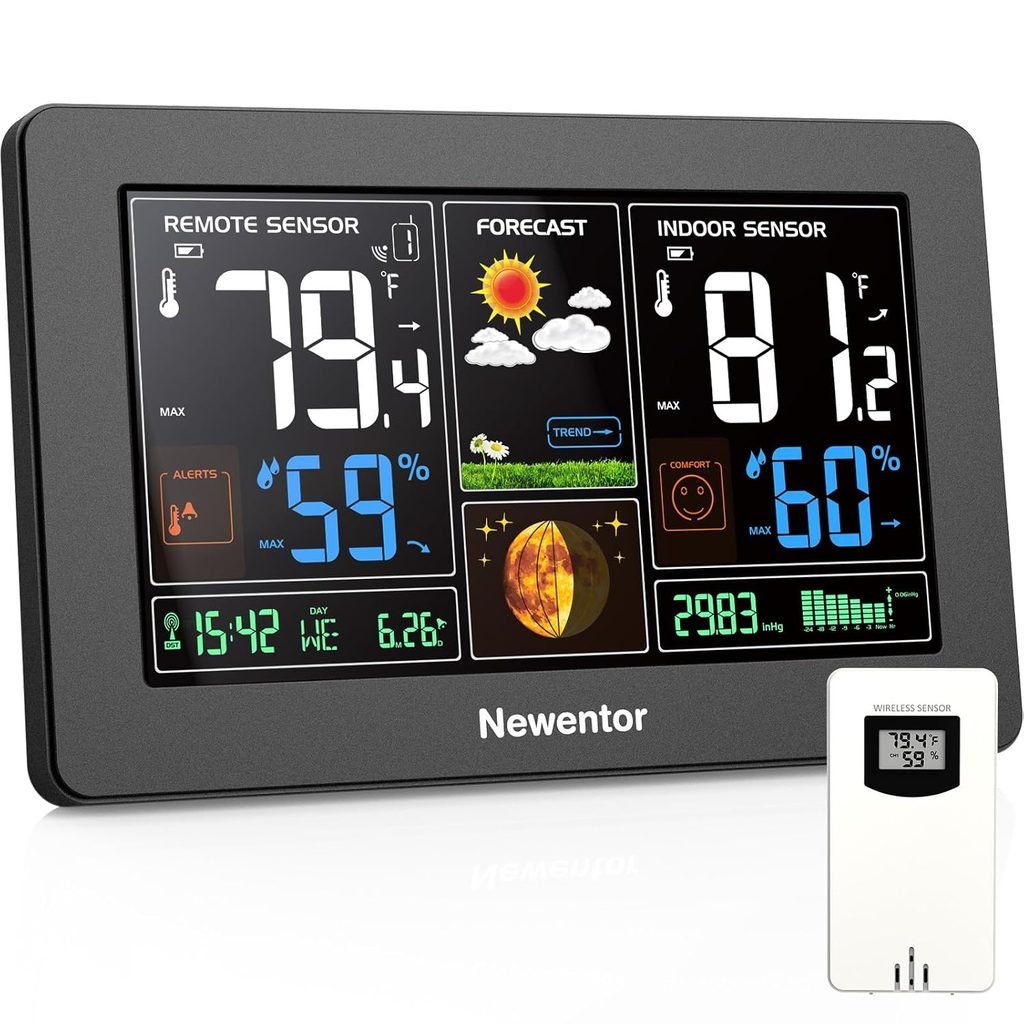
Min/Max Thermometer
Records the coldest and warmest readings in your storage spot, so you know if it is safe.
5 Winter Storage Mistakes That Shorten Battery Life
- Leaving packs on the charger all winter. A full pack ages faster than a half-charged one.
- Storing packs flat. Self-discharge can push an empty pack below its safe voltage.
- Charging a cold pack. Below 32°F, charging can cause permanent damage.
- Leaving packs in the truck. Overnight lows and daytime sun create large swings.
- Storing a damaged pack. Cracked or swollen batteries belong at a recycling point.
Frequently Asked Questions
Can lithium tool batteries freeze?
Yes. STIHL warns that battery packs can freeze in winter and become unusable. Storing packs indoors above 40°F removes the risk.
Should I store lithium tool batteries fully charged?
For most packs, no. Battery University data shows a full battery keeps about 80 percent of its capacity after a year at room temperature, compared with 96 percent at 40 percent charge. Check your manual, because a few brands still recommend a full charge.
Is it OK to leave tool batteries in a cold garage?
Only if the garage stays above freezing. DeWalt’s product team says extreme cold below freezing can hurt both performance and longevity. An insulated box helps, but indoors is safer.
Should I leave batteries on the charger over winter?
No. The NFPA advises against continued charging once a battery is full. Remove the pack, set it to about half charge, and store it separately.
How long can a lithium tool battery sit unused?
A healthy pack at 40 to 50 percent charge can sit through a full winter. Check it every two to three months and top it up if the gauge drops to one light.
Final Word: Store Smart, Start Spring With Full Power
Winter storage comes down to three numbers: about 40 to 50 percent charge, 40°F to 80°F, and a check every two to three months. Follow the seven steps above and your packs should come out of winter close to the capacity they went in with.
If a pack is already past saving, it may be time to upgrade the whole kit. Start with our guide to the best cordless drills or the DEWALT 20V MAX drill and impact driver combo review. You can also browse all power tool reviews, see outdoor power equipment, or line packs up in the tool comparison.
Take the 30-Second Tool Finder Quiz
Also Read On:
>>>Best OBD2 Scanners for Home Mechanics: 5 Top Picks for 2026
>>>How to Choose Insulated Screwdrivers for Panel and Transfer Switch Work
>>>How to Test a Circuit Breaker With a Multimeter in 6 Safe Steps




![Ten[10] Must-Have Tools for Every Homeowner](https://toolexpertreviews.com/wp-content/uploads/2026/05/fe5cb696-aff8-4d41-87db-df3f84b08dbf-768x702.jpg)