How to Keep Tools Safe in a Van: 12 Steps Plus Latest Tool Theft Stats
Learning how to keep tools safe in a van is one of the smartest investments any contractor or serious DIYer can make. A single break-in can wipe out thousands of dollars in cordless tools, testers, and batteries, then cost you days of lost work while you replace them. As an electrical engineer who carries meters and power tools between job sites every week, I treat van security as part of the job, not an afterthought.
This guide covers the latest tool theft statistics, then walks you through a layered security plan. You will learn which steps cost almost nothing, which gear is worth buying, and what to do if the worst happens.
This post contains affiliate links. We earn a commission when you purchase through our links at no extra cost to you. We only recommend products we’ve personally tested and use ourselves.
Quick answer: the 5 most effective steps
- Empty the van overnight whenever you can, starting with your most valuable tools.
- Add extra locks such as a hasp and padlock or aftermarket deadlocks on rear and side doors.
- Lock tools inside the van in a bolted-down vault or lockable modular boxes.
- Track and mark everything with Bluetooth trackers, engraved IDs, and serial number records.
- Park smart with the rear and side doors blocked against a wall, fence, or another vehicle.
Latest tool theft statistics
The best tool theft data comes from censes, where insurers and police track it closely. The picture is less detailed, but federal crime data shows the same pattern of vehicles being an easy target.
26,724Tool thefts reported to UK police in 2025, about one every 20 minutes (Direct Line)
74%Share of UK tradespeople who say they have been victims of tool theft (Direct Line)
94%Share of stolen tools that are never recovered, per 2026 Simply Business research
12.4%U.S. larceny clearance rate in 2022, meaning most thefts go unsolved (Pew Research, FBI data)
According to a 2026 release from Direct Line Group, thefts from vehicles account for about 42% of tool thefts, and almost a third of tradespeople have been hit more than once. The same research found that 23% of victims never reported the theft to police.
Insurer Simply Business reports that the average stolen tool claim has risen 24% since 2020, costing self-employed tradespeople an estimated £99 million in 2025. Direct Line also found that almost half of tradespeople have turned down a job because they could not park close enough to watch their van.

most thefty from motor vehicles are among the most common types of larceny. Pew Research analysis of security data shows only about one in eight larceny cases was cleared in 2022. In plain terms, prevention works far better than hoping police recover your tools.
How thieves target work vans
Understanding the methods helps you choose the right defenses. Most van thefts fall into four patterns.
Lock punching and peeling. Thieves punch out the lock cylinder or bend back the top corner of a sliding or rear door. Factory locks on many work vans can be defeated in under a minute this way.
Keyless relay attacks. Newer vans with keyless entry can be opened by thieves who boost the signal from a key fob inside your house. This leaves no damage, which can complicate insurance claims.
Window smash and grab. If tools are visible through a window, a thief only needs a few seconds. Batteries, drills, and impact drivers near the door are the first to go.
Whole-van theft. Less common but more costly, this takes the vehicle and everything inside it. Steering locks, trackers, and immobilizers make this much harder.
How to keep tools safe in a van: 12 proven steps
The most effective approach is layered security. Each layer slows a thief down, and most thieves give up and move on when a van looks like too much work.
1. Take the most valuable tools inside overnight
No lock beats an empty van. If you cannot unload everything, bring in batteries, chargers, meters, and top-tier cordless tools. A rolling modular box makes this a two-minute job at the end of the day.
2. Add aftermarket door locks
Fit a heavy-duty hasp and padlock, slam locks, or deadlocks to the rear and side doors. These are the doors thieves attack most, and a second lock doubles the work needed to get in.
3. Reinforce weak door corners
Anti-peel plates and door reinforcement kits stop thieves from bending back the top corner of a door. They are inexpensive and fit most popular van models.
4. Install a bolted-down tool vault
A steel jobsite box or in-vehicle vault bolted to the floor adds a final barrier after the doors. Even if a thief gets inside, they face a second locked container they cannot simply lift and carry.
5. Use lockable modular storage
Modular boxes with padlock points keep tools organized and make them slower to grab. Our Packout vs ToughSystem vs Systainer comparison explains which systems lock best and roll inside easily.
6. Hide tools from view
Fit a bulkhead, tint or cover rear windows, and never leave tools on seats. A van that shows nothing through the glass gives thieves no reason to take the risk.
7. Fit Bluetooth or GPS trackers
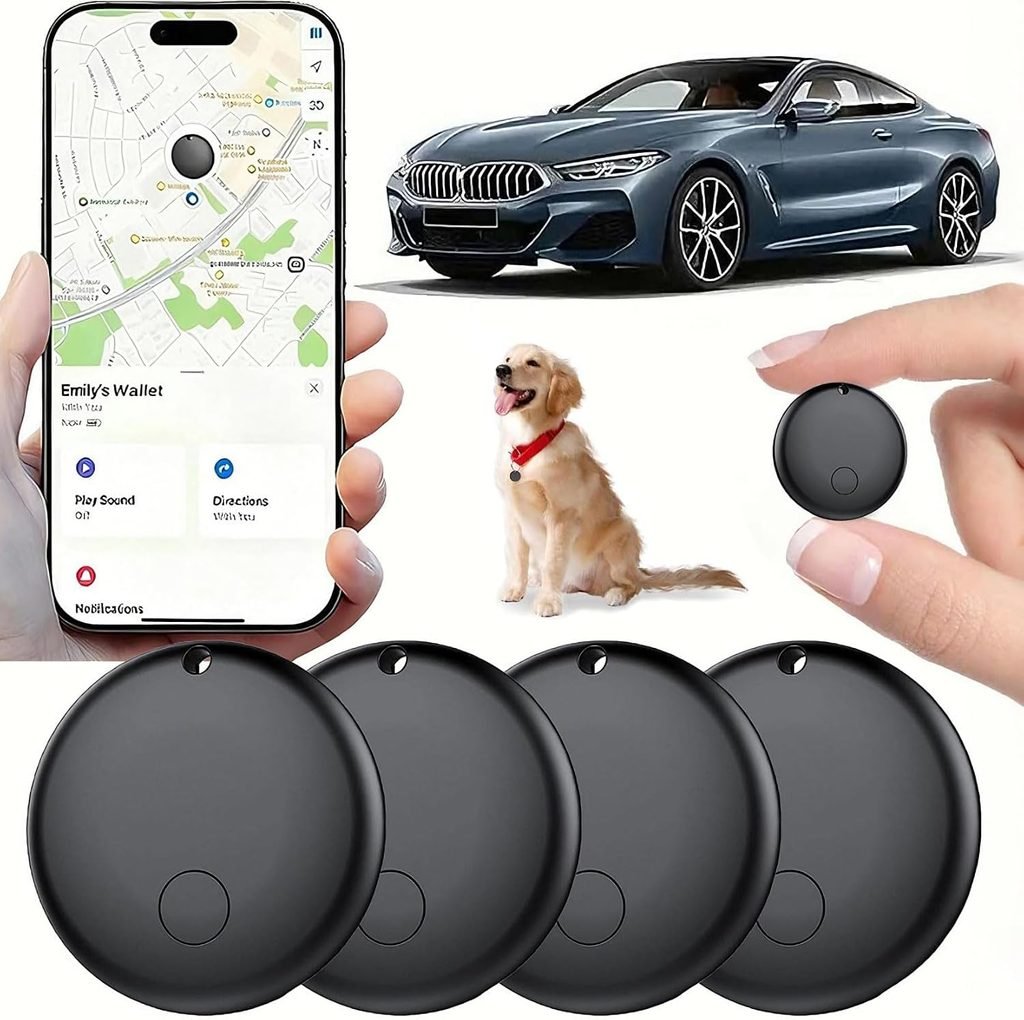
Hide trackers inside high-value tools and boxes. Milwaukee’s TICK tracker and ONE-KEY platform, or a general tracker like an AirTag, can help police locate stolen gear and boost your recovery odds.
8. Mark and register every tool
Engrave your name or business ID on each tool, and add UV forensic marking that is invisible to thieves. Marked tools are harder to resell and easier to prove as yours.
9. Keep a serial number inventory
Photograph each tool and record its make, model, and serial number in a spreadsheet or app. Police and insurers ask for these details first, and most victims do not have them.
10. Park defensively
Back the rear doors against a wall and put the side door against a fence or another vehicle. Choose well-lit spots covered by cameras, especially overnight.
11. Protect keyless entry
Store your key fob in a signal-blocking pouch at home, away from doors and windows. Add a steering wheel lock or immobilizer to deter whole-van theft.
12. Add alarms and cameras
A loud van alarm and a visible dash cam or interior camera make your van a less attractive target. Window stickers that warn of tracking and marking add another visual deterrent.
Engineer’s safety note: If you install a hardwired alarm, camera, or tracker, fuse it correctly and connect it to a switched or protected circuit. A poorly wired accessory can drain the battery or create a fire risk, so have a qualified auto electrician fit anything you are unsure about.
Recommended van security gear
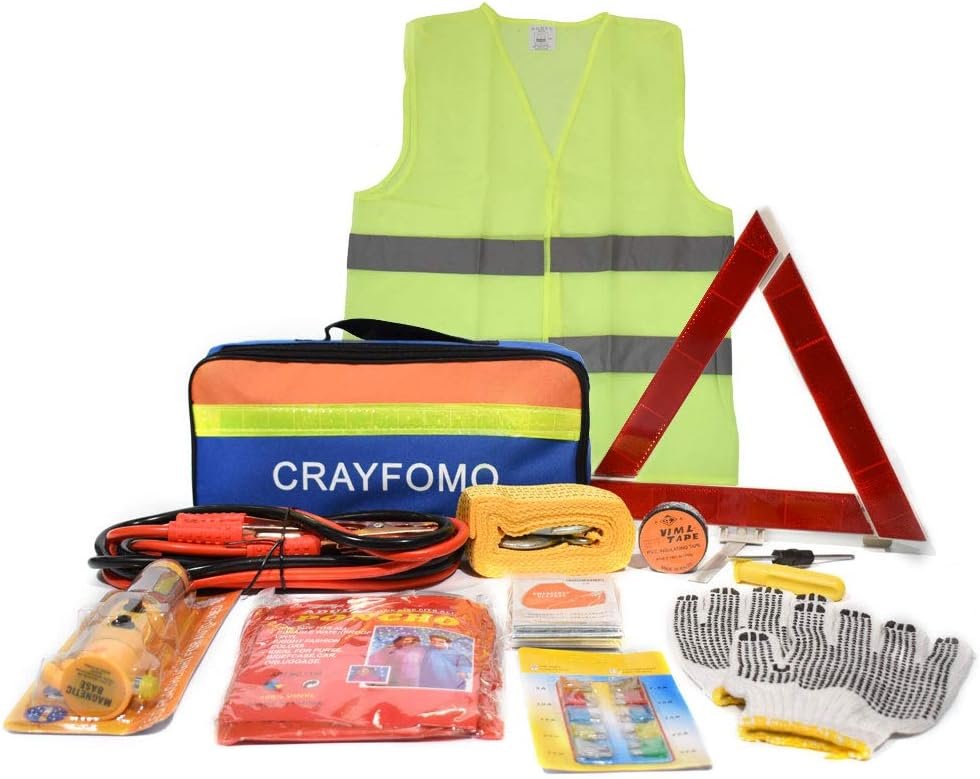
You do not need everything at once. Start with the items that stop the most common attacks, then add tracking and marking.
| Gear | Stops | Cost level | Shop |
|---|---|---|---|
| Heavy-duty hasp and padlock | Lock punching, forced doors | Low | Check price |
| Steel jobsite box or vault | Grab-and-go theft inside the van | Medium to high | Check price |
| Bluetooth tool trackers | Unrecovered stolen tools | Low | Check price |
| UV marking pen and engraver | Resale of stolen tools | Low | Check price |
| Signal-blocking key fob pouch | Keyless relay attacks | Low | Check price |
| Steering wheel lock | Whole-van theft | Low | Check price |
Security measures scored
This table ranks each step by how well it prevents loss compared with its cost and effort. Scores reflect our editorial judgment based on how common each attack method is.
| Measure | Effectiveness | Cost | Effort | Score |
|---|---|---|---|---|
| Empty the van overnight | Very high | Free | Daily | 9.6 |
| Aftermarket door locks | High | Low | One-time | 9.2 |
| Bolted-down tool vault | High | Medium | One-time | 8.9 |
| Defensive parking | Medium to high | Free | Daily | 8.7 |
| Trackers and marking | Medium (recovery) | Low | One-time | 8.4 |
| Alarms and cameras | Medium (deterrent) | Medium | One-time | 8.0 |
Van security on any budget
Starter budget. Begin with free habits: empty the van nightly, park defensively, and hide everything from view. Add a key fob pouch, a hasp and padlock, and engraved markings for very little money.
Mid-range budget. Add anti-peel plates, a steering wheel lock, and Bluetooth trackers inside your most expensive tools. Lockable modular boxes that roll straight into your garage or house also fit here.
Full protection. Fit professional deadlocks or slam locks, a bolted-down steel vault, an alarm, and an interior camera. For contractors carrying high-value kits, this level often costs less than a single major theft.
A simple end-of-day security routine
Good habits matter as much as good hardware. Run through this quick routine every evening before you leave the van.
Unload the essentials. Bring in batteries, chargers, meters, and your most expensive cordless tools. If they live in one rolling box, this takes a couple of minutes.
Check every door and window. Confirm the rear, side, and cab doors are locked, including any extra padlocks. Close windows fully and pull any window covers into place.
Clear the cab. Remove receipts, tool packaging, and anything that hints at valuable gear inside. Empty tool boxes left on seats still invite a window smash.
Park and protect. Position the doors against a wall or fence, fit the steering lock, and put the key fob in its pouch away from the front door.
What to do if your tools are stolen
Report the theft to police right away and get a report number, even if recovery seems unlikely. Insurers usually require it, and reported thefts help police spot patterns in your area.
Send your serial number list and photos to police and your insurer. Then check local pawn shops, online marketplaces, and resale groups, since stolen tools often appear there within days.
Finally, review how the thief got in and fix that weakness before you restock. Use our project tool checklist to rebuild your kit in order of priority, and the side-by-side comparison tool to replace key items without overspending.
Frequently asked questions
What is the best way to keep tools safe in a van?
The best way to keep tools safe in a van is to remove the most valuable tools overnight. Combine that with aftermarket door locks, a bolted-down vault, and trackers for layered protection.
Does leaving a sign saying “no tools left in this van” work?
It can deter some opportunistic thieves, but many ignore these signs. Only rely on one if it is true, and pair it with real locks.
Are tools in a van covered by insurance?
Often not by default. Many commercial auto policies exclude tools, so you may need separate tool or inland marine coverage, and some policies require tools to be removed overnight.
Do tool trackers really help recover stolen tools?
They improve your chances, especially when hidden inside high-value tools. Recovery still depends on police response, so trackers work best alongside locks and marking.
When are vans most likely to be broken into?
Many thefts happen overnight when vans are parked at home. UK insurer data also shows a rise in tool theft during the darker autumn and winter months.
Ready to upgrade your storage? See which lockable, roll-inside systems we rate highest in our modular storage comparison.Shop Tool Trackers on Amazon
Related Reading:
>>> How to Use a Car Code Reader: Step-by-Step Guide (2026)
>>> Packout vs ToughSystem vs Systainer: Modular Storage Compared
>>>Best Rolling Tool Chest for Home and Jobsite: 7 Top Picks