MIG vs TIG vs Stick Welding: Which should you learn?
Deciding between MIG vs TIG vs Stick welding is the first real fork in the road for anyone learning to weld in 2026. Each process suits a different skill level, budget, and type of project. This guide breaks down how the three compare so you can pick the one worth your time.
I have spent ten years running welds across hobby builds, home repairs, and field jobs in Nairobi. The short version is that the right first process depends almost entirely on what you plan to build. Let me walk you through it the way I wish someone had explained it to me.
We independently evaluate all of our recommendations. If you click on links we provide, we may receive compensation.
The Quick Verdict
Learn MIG first. It is the easiest to pick up, the most forgiving on cheap steel, and the fastest way to lay clean beads as a beginner.
Move to Stick for thick metal and outdoor repair work, and to TIG when you want precision and clean welds on thin metal or aluminum.
What Is MIG Welding
MIG welding feeds a continuous wire electrode through a gun while shielding gas protects the weld pool. You hold the trigger, guide the gun, and the machine does most of the work. That hands-off feed is why beginners love it.
It excels on mild steel from thin sheet up to about a quarter inch. Travel speed is high, so you cover ground quickly with minimal cleanup. The main catch is that bottled gas and wind sensitivity make it best suited to indoor or sheltered work.
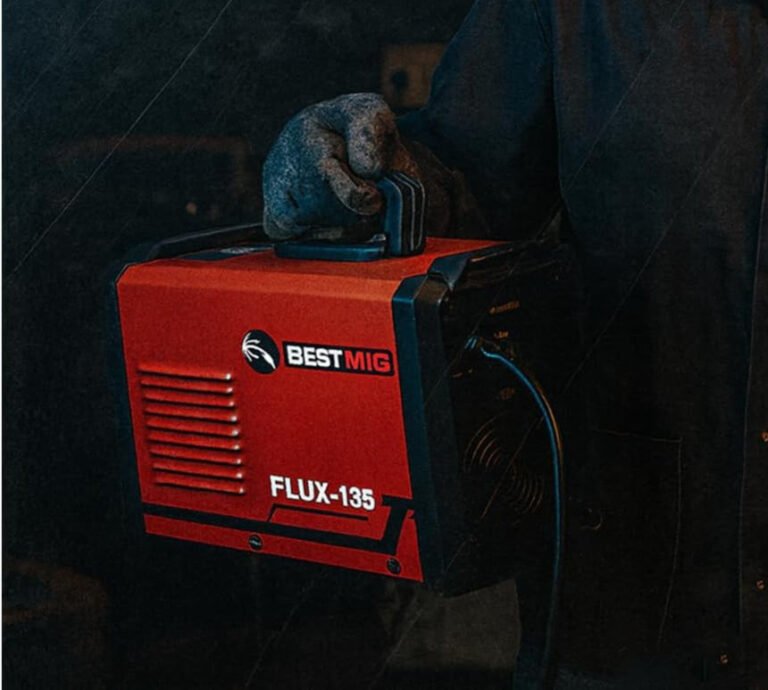
There is also a gasless version that runs flux core wire instead of solid wire. That removes the gas bottle and lets you weld outside in a breeze. Most beginner machines support both modes, so you keep your options open.
What Is TIG Welding
TIG welding uses a non consumable tungsten electrode and a separate filler rod you feed by hand. One hand controls the torch while the other adds filler, often with a foot pedal managing the heat. It is essentially the welding equivalent of writing calligraphy.
The payoff is unmatched control and the cleanest welds of the three. TIG handles aluminum, stainless, and thin metal that would melt away under other processes. The trade is a steep learning curve and the slowest pace by far.
What Is Stick Welding
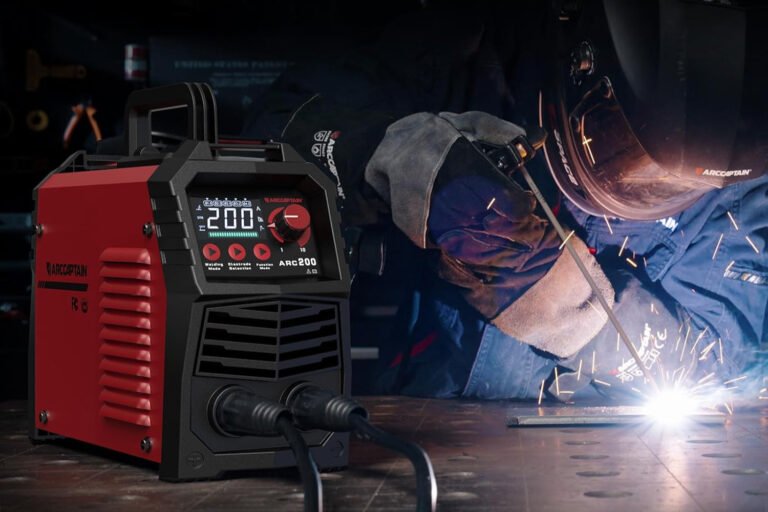
Stick welding, properly called shielded metal arc welding, burns a flux coated electrode that melts into the joint. The flux creates its own shielding, so no gas bottle is needed. That simplicity makes it the toughest process for real world conditions.
It bites through rust, paint, and dirty metal that would ruin a MIG weld. It also runs happily outdoors in wind where shielding gas would blow away. The downsides are heavy spatter, slag you must chip off, and a flatter learning curve than MIG.
The gear itself is refreshingly basic, often just a machine, a ground clamp, and a stinger. Electrodes come in rods you swap as they burn down. That low parts count is exactly why Stick remains the go to for repair work in remote places.
How Each Process Actually Feels to Use
MIG feels like running a hot glue gun once you set the machine correctly. You pull the trigger, glide along the joint, and a bead forms behind you. Beginners often lay a presentable weld within their first hour.
Stick feels rougher and noisier, with the rod sticking and the arc wandering until your hand settles. Striking the arc is a knack, a bit like lighting a match on the joint. Once it clicks, the process becomes steady and dependable.
TIG feels like patting your head while rubbing your stomach for the first week. Your torch hand, filler hand, and pedal foot all want different rhythms. The reward arrives later, when those movements finally sync into mirror smooth beads.
What It Costs to Get Started
Stick is the cheapest entry point, since a basic machine and a box of rods will get you welding. Gasless MIG sits close behind once you add the wire and a helmet. Either path keeps a first time setup affordable.
Gas shielded MIG adds the cost of a bottle, a regulator, and refills over time. TIG is the priciest by a wide margin once you factor in the machine, torch, gas, and consumables. Budget for protective gear in every case, because eyes and lungs are not worth saving money on.
A multiprocess machine can soften the long term cost if you plan to learn more than one method. It removes the need to buy a second or third welder later. For many hobbyists that single purchase is the better value.
MIG vs TIG vs Stick at a Glance
| Factor | MIG | TIG | Stick |
|---|---|---|---|
| Ease of learning | Easiest | Hardest | Moderate |
| Best metals | Mild steel, sheet | Aluminum, stainless, thin | Thick steel, iron |
| Weld appearance | Good | Excellent | Rough |
| Works outdoors | Poorly | Poorly | Excellent |
| Handles dirty metal | No | No | Yes |
| Startup cost | Moderate | Highest | Lowest |
| Welding speed | Fast | Slow | Moderate |
Strengths and Weaknesses
MIG
Pros: Fast to learn, fast to weld, clean enough for most projects.
Cons: Needs gas, struggles outdoors, weak on dirty or thick metal.
TIG
Pros: Cleanest welds, total control, handles aluminum and thin stock.
Cons: Hard to learn, slow, highest equipment cost.
Stick
Pros: Cheap, rugged, works outdoors and on rusty metal.
Cons: Messy slag and spatter, rougher welds, more cleanup.
Which Should You Learn Based on Your Goal
If you want general home repairs, fabrication, and quick results, start with MIG. It gets you to a usable weld faster than anything else and keeps frustration low. Most hobbyists never need to move past it.
If you repair farm gear, gates, trailers, or anything outdoors, learn Stick. It tolerates poor conditions and runs off a simple inexpensive machine. The skill also transfers well to structural work later.
If your goal is auto bodywork, art, or aluminum, TIG is the destination. I would still suggest learning MIG first to build pool control. That foundation makes TIG far less painful when you get there.
If you are eyeing heavy fabrication like trailer frames or structural steel, lean toward Stick or MIG. Both produce strong deep welds on thicker stock when set up properly. Many fabricators keep both on hand and switch based on the job.
There is no single right answer for everyone, only the right answer for your projects. Pick the process that matches the work you actually plan to do this year. You can always add another method once the first one feels natural.
Beginner Friendliness Score
MIG: 9 out of 10. The clear winner for a first process.
Stick: 7 out of 10. Simple gear, but messier results to manage.
TIG: 4 out of 10. Rewarding, but a steep first climb.
Common Beginner Mistakes to Avoid
The biggest early error is welding on dirty metal and blaming the machine for poor results. Clean steel to bright shine first and most problems vanish. A wire brush or grinder is your cheapest upgrade.
New welders also chase the wrong process for their projects, then quit out of frustration. Match the method to your metal and conditions before you buy anything. The comparison table above is built to prevent exactly that mistake.
Finally, beginners skimp on the helmet and pay for it with sore eyes. A quality auto darkening lens transforms how well you see the puddle. Better vision leads directly to better welds.
Beginner Gear Worth Buying
A capable starter machine and a proper auto darkening helmet will cover most first projects. Buy the helmet new and protect your eyes from day one. Below are the categories I steer beginners toward.
Shop Beginner MIG Welders Shop Welding Helmets
Frequently Asked Questions
Is MIG or TIG easier for a complete beginner?
MIG is far easier because the machine feeds the wire for you. TIG demands coordinating two hands plus a foot pedal at once. Almost every beginner should start with MIG.
Can one machine do MIG, TIG, and Stick?
Yes, multiprocess welders run all three from a single unit. They cost more upfront but save money versus three machines. They are a smart pick if you expect to grow.
Which welding type is strongest?
Weld strength depends on technique and joint prep more than process. All three produce strong welds when done correctly. Stick and MIG are common choices for heavy structural work.
Do I need shielding gas to start?
Not necessarily, since flux core MIG and Stick both work without a gas bottle. That lowers your startup cost noticeably. You can add gas later for cleaner MIG welds.
How long does it take to get decent at welding?
With MIG, most people lay usable beads within a few practice sessions. Stick takes a few weeks to feel natural. TIG often needs a few months of regular practice to look clean.
Which process is best for welding aluminum?
TIG is the gold standard for clean aluminum welds. MIG can do aluminum with a spool gun setup. Stick handles it poorly and is rarely the right choice.
Ready to start welding? Grab a beginner friendly machine and get practicing. SHOP NOW
Also Read On:
Best Stick Welders for Farm and Ranch Use (2026 Tested Picks)
![Ten[10] Must-Have Tools for Every Homeowner](https://toolexpertreviews.com/wp-content/uploads/2026/05/fe5cb696-aff8-4d41-87db-df3f84b08dbf-768x702.jpg)