Best Hard Hats for Construction Workers
A hard hat is one piece of gear no construction worker should ever skip. Falling tools, low beams, swinging equipment, and stray debris are part of daily life on almost every jobsite, and your head is simply not something you can afford to gamble with.
Choosing the best hard hat for construction work is not about grabbing the first yellow helmet you see at the supply store. It means understanding safety ratings, matching the helmet to the actual hazards of your job, and picking something comfortable enough that you will actually wear it for a full ten hour shift.
In this guide we will walk through what makes a hard hat genuinely protective, break down the ANSI type and class system in plain language, and highlight some of the top rated hard hats construction crews rely on in 2026.
We independently evaluate all of our recommendations. If you click on links we provide, we may receive compensation.
Why the Right Hard Hat Matters
Head injuries remain one of the leading causes of serious harm and fatality on construction sites.where a worker is hit by a falling or flying object, are consistently among the top causes of injury in the industry.
A properly rated and correctly fitted hard hat is often the single piece of equipment standing between a minor scare and a life changing injury.
It is worth remembering that not every hard hat offers the same level of protection. Two helmets can look almost identical on a shelf yet perform completely differently once tested against impact or electrical hazards. That is exactly why the ANSI Z89.1 standard exists, and why understanding it is the first real step toward buying the right helmet.
Understanding Hard Hat Types and Classes
Every ANSI certified hard hat carries two labels inside the shell: a Type and a Class.
Type 1 hard hats protect against impacts that come straight down onto the top of the head. These are the classic cap style helmets you see on most general construction sites.
Type 2 hard hats add lateral protection, guarding against blows to the side, front, and back of the head as well as the top. These are common on sites with a higher risk of sideways impacts, such as confined spaces or scaffolding work.
Class G – (General) are tested to protect against low voltage electrical contact, up to 2,200 volts.
Class E – (Electrical) offer much higher voltage protection, tested up to 20,000 volts, and are required for electricians and anyone working near energized equipment.
C – (Conductive) hard hats offer no electrical protection at all. They are suitable for jobs with no risk of electrical contact.
For most general construction crews, a Type 1 Class E helmet is the safe, versatile default, since it protects against top impacts and gives a margin of electrical safety even on sites where electrical hazards are not the primary concern.
Top Rated Hard Hats for Construction Workers in 2026
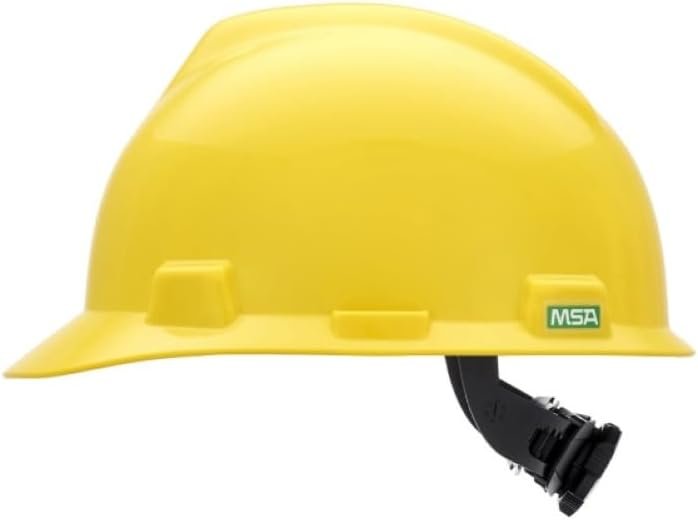
1. MSA V Gard Cap Style
The MSA V Gard has long been a jobsite standard, and it continues to be a top pick heading into 2026. It is a Type 1, Class E cap style helmet built around a ratchet suspension system that adjusts easily even with gloves on.
The shell is compatible with a huge range of accessories, including face shields, ear muffs, and headlamps, which makes it easy to standardize an entire crew around one helmet platform. Its combination of proven protection, all day comfort, and a reasonable price point makes it a favorite for general contractors, framers, and site supervisors alike.
2. Bullard Full Brim Helmet
For outdoor crews who spend long days under direct sun or in wet conditions, a full brim helmet like the Bullard model is hard to beat. The 360 degree brim shields the face, ears, and back of the neck, not just the top of the head.
It is available in Type 2, Class E configurations, adding side impact protection alongside high voltage safety. Roofers, surveyors, and utility workers tend to prefer this style since it covers more ground without sacrificing certification.
3. Pyramex Ridgeline
Budget conscious crews often turn to the Pyramex Ridgeline, which brings a more modern, low profile design at a friendlier price point without cutting corners on ANSI certification. It comes in both cap and full brim configurations and offers good ventilation, making it a solid choice for hot climates or summer projects.
For companies outfitting a large crew, being able to buy several of these without straining the budget is a real advantage.
4. Klein Tools Type 2 Hard Hat
Klein Tools is best known for hand tools, but its hard hat lineup has earned a strong reputation among electricians and general contractors. The Type 2 models add side impact protection along with Class E electrical resistance, and the suspension systems are praised for staying comfortable through long shifts.
These helmets also tend to integrate well with safety glasses and communication headsets, which matters on busy, noisy sites.
5. Vented Climbing Style Helmets
These helmets typically feature adjustable ventilation, a lower profile, and a snug chin strap for added security.
They will not replace a full brim helmet on every site, but for specialized tasks they offer a level of comfort and mobility that bulkier designs cannot match.
How to Choose the Right Hard Hat for Your Job
Picking the best hard hat really comes down to matching the helmet to your actual working conditions.
If your main risk is falling tools or materials from above, a Type 1 cap style helmet will usually be enough. working around scaffolding, low clearances, or areas where sideways impacts are likely, step up to a Type 2 helmet.
If there is any chance of contact with live electrical equipment, a Class E rating is non negotiable. Electricians and anyone working near power lines should never settle for a Class C vented helmet just for comfort.
Outdoor workers who spend hours in direct sun should lean toward a full brim design for the extra coverage, while indoor or overhead workers often prefer a cap style helmet for its lighter, lower profile fit.
Comfort should never be an afterthought either. Look for a ratchet suspension that adjusts easily, moisture wicking padding, and enough ventilation for your climate.
Fit and Maintenance Tips
Even the best rated hard hat will not protect you properly if it does not fit correctly. The helmet should sit level on your head, roughly one inch above your eyebrows, with the suspension adjusted snugly but comfortably.
Inspect your helmet regularly for cracks, dents, or discoloration from sun exposure. Most manufacturers recommend replacing the suspension every twelve months and replacing the entire shell every two to five years, depending on use and exposure to sunlight, since UV rays gradually weaken the plastic shell over time.
Never drill extra holes into a hard hat, store it in direct sunlight for long periods, or paint it with anything other than approved paint, since these actions can compromise its certified protection.
Frequently Asked Questions
If you ever notice cracks, fading, chalky texture, or a suspension that no longer locks securely, replace the helmet immediately rather than waiting for a scheduled swap.
Can I wear a baseball cap under my hard hat? Standard suspension systems are designed to sit against a bare head or thin hair, so a bulky cap underneath can throw off the fit and leave gaps between the shell and your scalp. If you want added comfort or sun protection, look for hard hat liners made specifically for this purpose instead of a regular cap.
Are vented hard hats safe for electrical work? No. Vented, Class C hard hats have holes in the shell that remove electrical protection entirely, so they should never be used around energized equipment or power lines. Electricians and anyone working near live circuits should always choose a non vented, Class E rated helmet.
Do cap style and full brim hard hats offer the same protection? Both styles can meet the same ANSI type and class ratings, so the impact and electrical protection can be identical. The real difference comes down to coverage area and comfort, with full brim helmets adding shade and rain protection around the entire head while cap style helmets stay lighter and lower profile for tight overhead spaces.
What is the difference between a hard hat and a safety helmet? Traditional hard hats rely on a suspension system that sits below a rigid outer shell, while newer safety helmets often add a chin strap and closer fitting foam liner similar to a climbing or bike helmet. Safety helmets are becoming more common for work at height or in confined spaces because they stay secure even when a worker bends over or looks up.
Final Thoughts
There is no single best hard hat for every construction worker, because every jobsite comes with its own mix of hazards. The right choice depends on whether you are dealing with falling objects, electrical exposure, extreme heat, or tight overhead spaces.
What matters most is choosing a helmet with the correct ANSI type and class rating for your work, and then picking a style comfortable enough that you will wear it consistently, every single shift.
Investing a little extra time into choosing the right hard hat, and a little extra care into maintaining it, is one of the simplest ways to protect yourself and your crew on the job.
Also Read On:
Heavy Duty Industrial First Aid Kits: 5 Best Picks for Demanding Worksites
High Visibility Safety Vests: 6 Best Hi-Vis Picks for 2026
Respirator Fit Testing Mistakes: 5 Errors That Could Cost You in 2026