Best Work Gloves for Storm Cleanup and Fuel Handling (2026 Guide)
The best work gloves for storm cleanup have two very different jobs to do. They must stop splinters, nails, and broken glass, and they must also keep gasoline off your skin when you refuel a chainsaw or generator. Very few gloves do both well, so this guide shows you which pairs to buy and when to wear each one.
This post contains affiliate links. We earn a commission when you purchase through our links at no extra cost to you. We only recommend products we’ve personally tested and use ourselves.
Quick Verdict: Our Top Picks
- Best overall: SHOWA 377. One fully coated nitrile glove that handles wet debris and fuel splash.
- Best for fuel handling: Ansell AlphaTec Solvex 37-175. A thick nitrile gauntlet made for petroleum contact.
- Best for debris and impact: Mechanix Wear M-Pact. Padded knuckles and palms for hauling limbs and lumber.
- Best leather glove: Ironclad Ranchworx. Tough leather for thorns, bark, and rough timber.
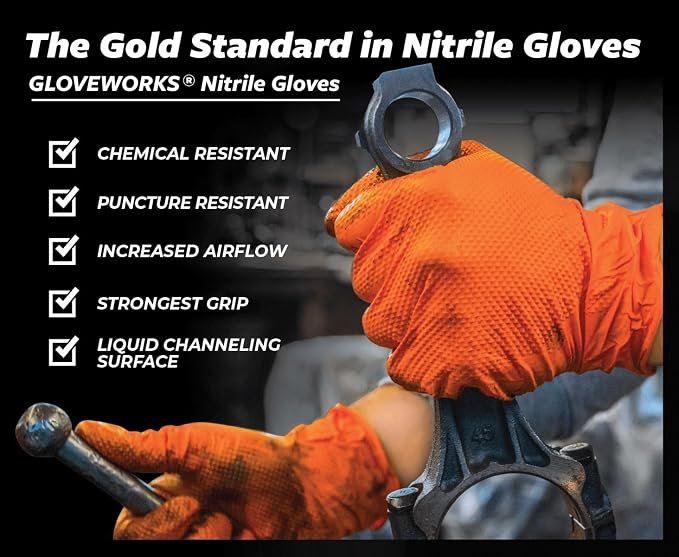
- Best disposable: Gloveworks HD Orange Nitrile. A fast, cheap barrier for quick refueling.
Why Storm Cleanup Is So Hard on Your Hands
Storm cleanup mixes sharp debris, powered saws, and fuel in one tired, rushed weekend. The numbers show how often that goes wrong.
- The CDC estimates that about 36,000 people are treated in emergency departments each year for chainsaw injuries, and the risk rises after hurricanes and other disasters (Cornell Cooperative Extension).
- Penn State researchers counted an estimated 127,944 chainsaw injuries treated in emergency departments from 2018 to 2022, which is about 70 patients per day (Penn State Extension).
- More than 35 percent of chainsaw injuries hit the left hand or fingers, and the average injury needs more than 110 stitches (Alabama Cooperative Extension).
- Bureau of Labor Statistics data shows 70 percent of workers with hand injuries were not wearing gloves, and the average hand injury claim now exceeds $6,000 (LHSFNA).
The lesson is simple. Wearing gloves matters, and wearing the right glove for each task matters just as much.
How to Choose Work Gloves for Storm Cleanup and Fuel Handling
Match the Material to the Fuel
Gasoline passes through many glove materials. A CDC glove selection chart rates nitrile as very good against gasoline, neoprene as good, and natural latex as poor. That is why every fuel pick in this guide is nitrile.
Leather and fabric gloves are the wrong choice for refueling. They soak up fuel, hold it against your skin, and stay flammable long after the spill. UC Berkeley also notes that nitrile is preferred over latex for chemical resistance (UC Berkeley glove selection guide).
Cut, Puncture, and Impact Protection
Debris work needs a tough palm. Look for leather, synthetic leather, or a coated knit with reinforced wear zones. Padded knuckles help when you drag limbs or stack lumber.
No ordinary work glove will stop a moving saw chain. Gloves protect you from the wood, not from the chainsaw. Keep both hands on the saw at all times.
Grip in Wet Conditions
After a storm, everything is wet, muddy, or oily. Foam nitrile and textured finishes hold slippery handles far better than smooth leather. A secure grip also reduces hand fatigue over a long day.
Cuff Length and Fit
A longer cuff keeps fuel from running down your wrist when you tip a gas can. For debris, a snug wrist closure keeps wood chips and grit out. OSHA’s hand protection standard requires gloves matched to the specific hazard, and that is a good rule at home too (OSHA 1910.138).
Why One Pair Is Rarely Enough
The safest setup is a two-glove system. Wear a tough debris glove for hauling and cutting, then switch to nitrile for every refuel. Our project tool checklist can help you plan the rest of your kit.
Comparison Table: Best Gloves at a Glance
| Glove | Type | Fuel Resistance | Debris Protection | Best For | Price Tier |
|---|---|---|---|---|---|
| SHOWA 377 | Fully coated nitrile knit | Good (splash) | Moderate | All-round wet cleanup | Budget |
| Ansell Solvex 37-175 | Unsupported nitrile gauntlet | Excellent | Low | Refueling and fuel transfer | Budget |
| Mechanix Wear M-Pact | Synthetic leather impact glove | Poor | High | Hauling and demolition | Mid-range |
| Ironclad Ranchworx | Reinforced leather | Poor | Very high | Heavy timber and brush | Premium |
| Gloveworks HD Orange | Disposable 8 mil nitrile | Good (short contact) | Very low | Quick refuels | Budget per pair |
Want to compare other gear side by side? Try our tool comparison page.
The 5 Best Work Gloves for Storm Cleanup and Fuel Handling
Best Overall
1. SHOWA 377 Nitrile Foam Coated Gloves
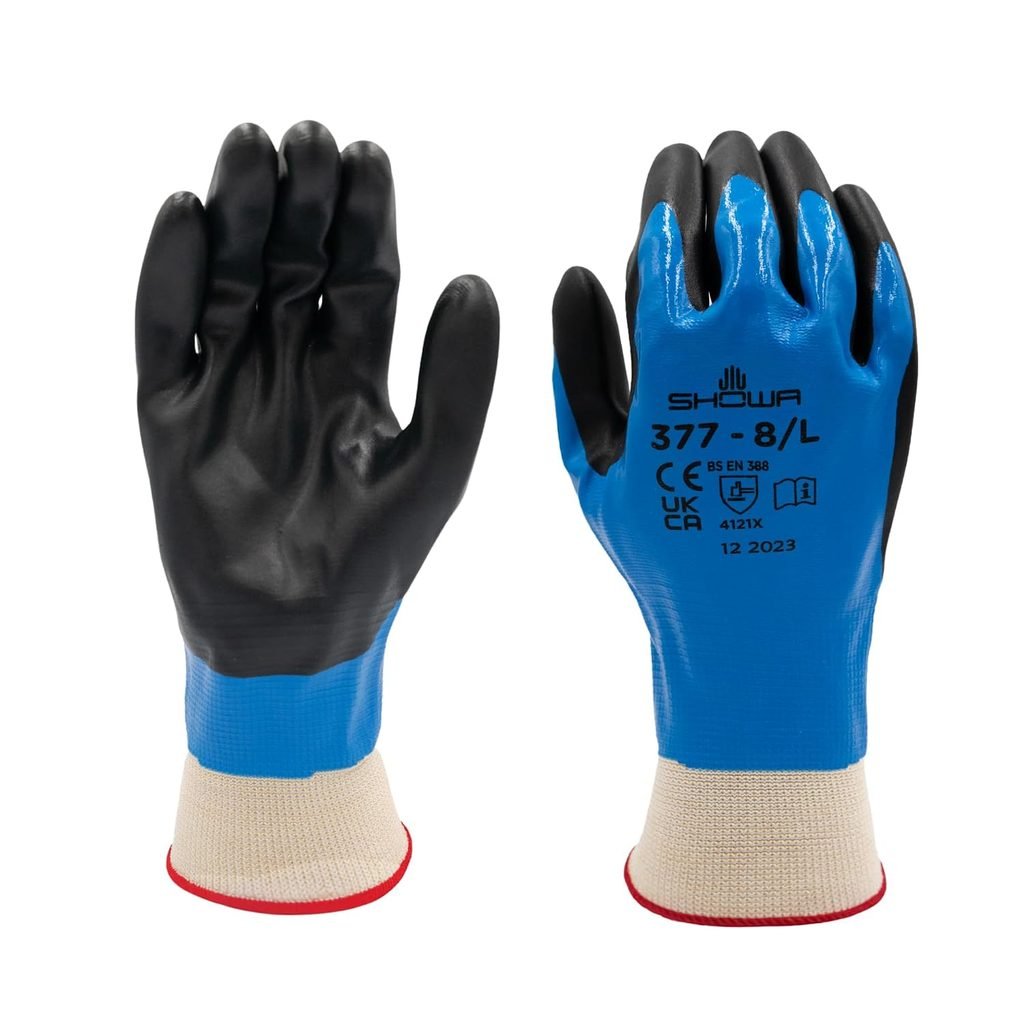
The SHOWA 377 is the closest thing to a single glove for both jobs. It has a full nitrile undercoat that is liquid proof to the edge of the coating, plus a foam nitrile palm for grip. The seamless knit liner keeps it comfortable for hours.
| Coating | Foam nitrile over full nitrile |
| Liner | 13 gauge seamless knit |
| Cuff | Elastic knit wrist |
| Resists | Oil, liquids, abrasion |
Pros
- Sheds water, oil, and fuel splash
- Excellent wet grip
- Thin enough for small engine work
Cons
- Knit cuff is not sealed
- Less puncture protection than leather
Verdict: 9.2 / 10. The best single pair for mixed, wet cleanup days.
Best for Fuel Handling
2. Ansell AlphaTec Solvex 37-175
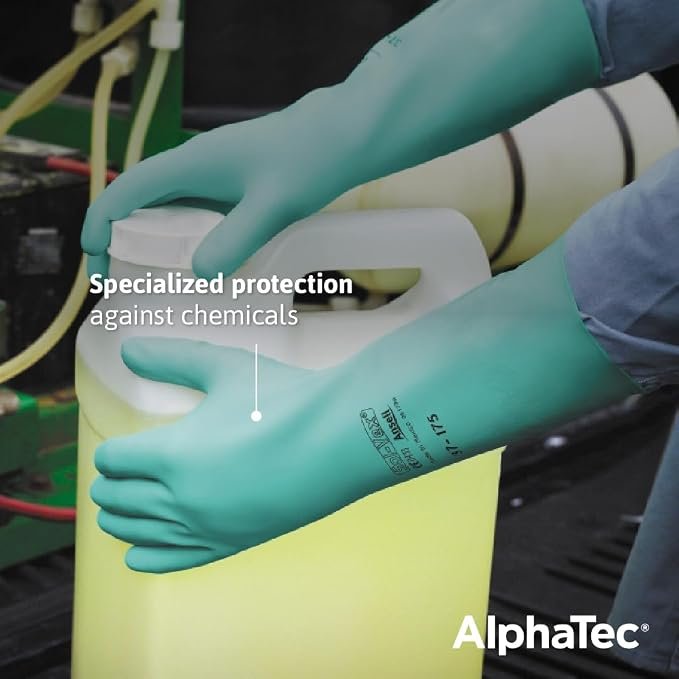
This is the glove to wear when you pour, pump, or siphon fuel. It is a heavy nitrile gauntlet, listed at roughly 15 mil thick, with a 13 inch cuff that covers the wrist and lower forearm. A cotton flock lining absorbs sweat and makes it easy to pull on.
| Material | Unsupported nitrile |
| Length | 13 inches |
| Lining | Cotton flock |
| Finish | Sandpatch grip |
Pros
- Built for petroleum and solvent contact
- Long cuff blocks drips and runs
- Reusable and easy to rinse
Cons
- Not made for sharp debris
- Warm in humid weather
Verdict: 9.0 / 10. The safest choice for regular generator and saw refueling.
Best for Debris and Impact
3. Mechanix Wear M-Pact
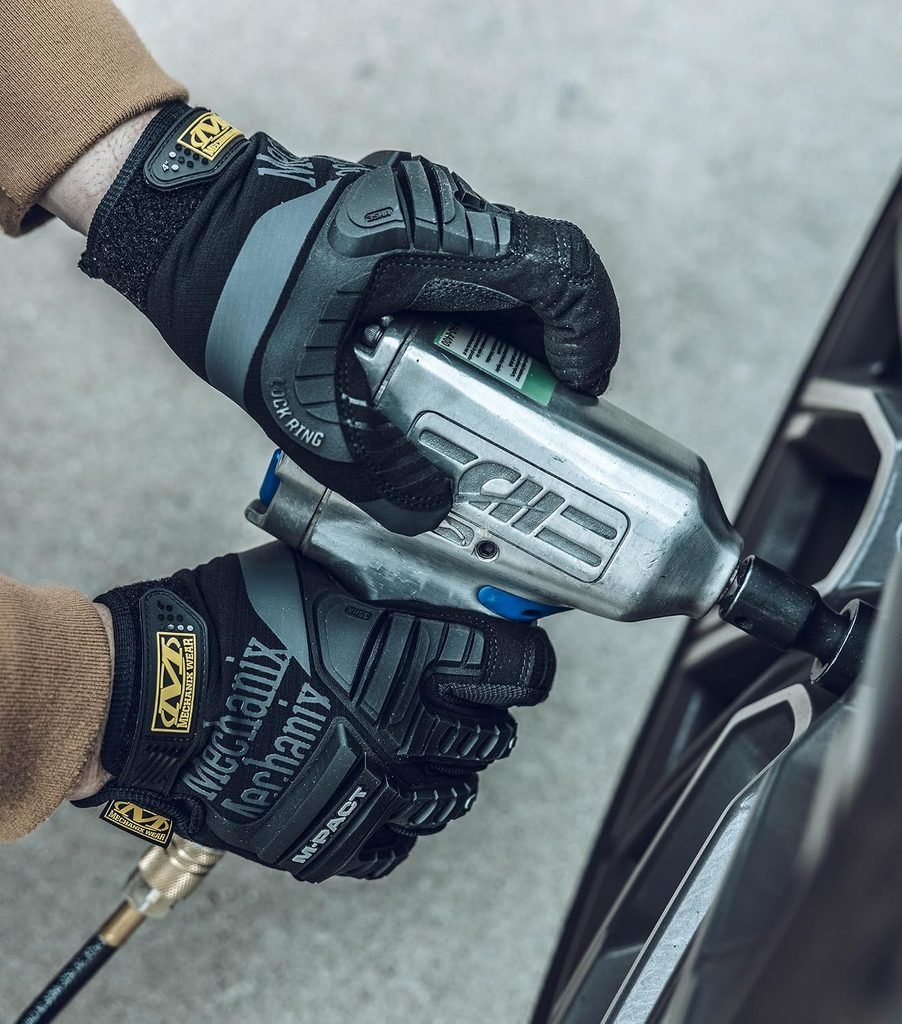
The M-Pact is built for knocks and scrapes. Molded rubber guards cover the knuckles and fingers, and padding in the palm absorbs impact and vibration. It is a strong match for dragging limbs, stacking fence panels, and running power tools.
| Palm | Padded synthetic leather |
| Back of hand | Thermoplastic rubber guards |
| Closure | Hook and loop wrist |
| Care | Machine washable |
Pros
- Strong knuckle and finger protection
- Good dexterity for a padded glove
- Secure wrist keeps debris out
Cons
- Absorbs fuel, so remove it before refueling
- Not waterproof
Verdict: 8.8 / 10. A dependable debris glove that needs a nitrile partner.
Best Leather Glove
4. Ironclad Ranchworx
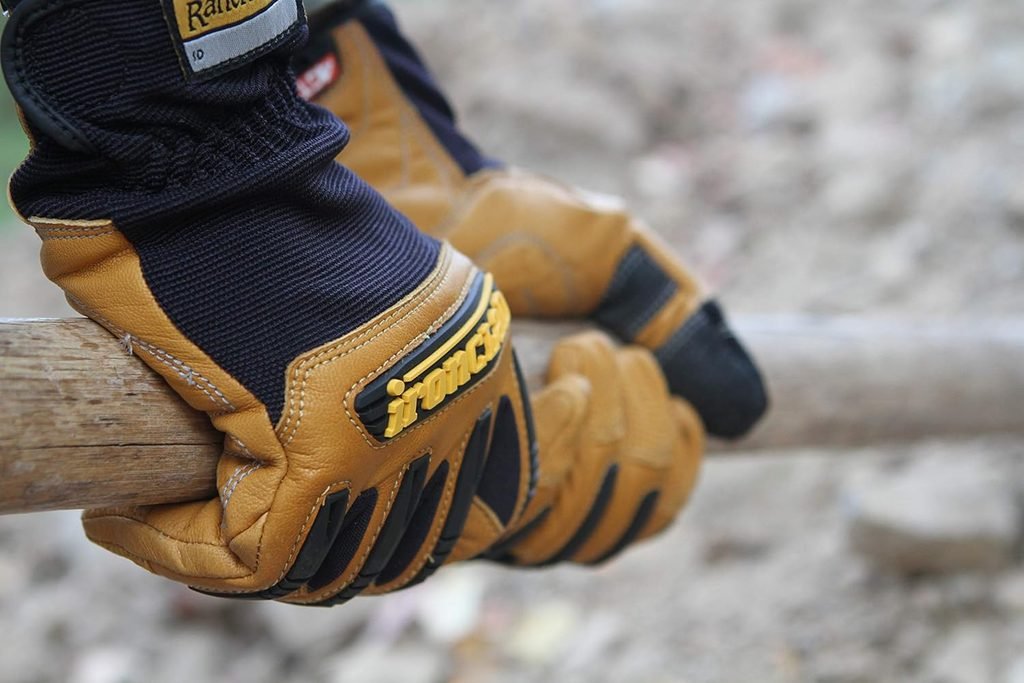
For heavy timber, thorny brush, and rough bark, leather is still hard to beat. The Ranchworx uses durable leather with reinforced high wear areas and padded knuckle protection. Unlike most leather gloves, it is machine washable, which helps after a muddy job.
| Material | Reinforced leather |
| Protection | Padded knuckles, reinforced palm |
| Closure | Adjustable wrist |
| Care | Machine washable |
Pros
- Highest abrasion and thorn resistance here
- Long service life
- Comfortable once broken in
Cons
- Soaks up fuel and oil
- Highest price in this group
Verdict: 8.7 / 10. The pick for big cleanup jobs with lots of timber.
Best Disposable
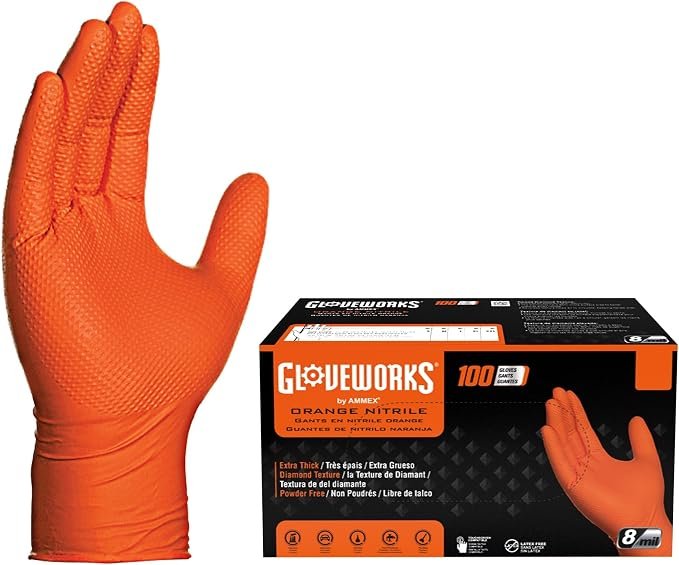
5. Gloveworks HD Orange Nitrile
Sometimes you only need thirty seconds of protection to top up a saw. These 8 mil disposable nitrile gloves are thicker than standard exam gloves and have a raised diamond texture for grip. Keep a box beside your gas cans and throw each pair away after use.
| Material | Nitrile, latex free |
| Thickness | 8 mil |
| Texture | Raised diamond |
| Use | Single use |
Pros
- Very low cost per pair
- Bright color shows tears quickly
- No fuel smell carried indoors
Cons
- Tears on sharp debris
- For short contact only
Verdict: 8.4 / 10. A smart, cheap add-on to any debris glove.
Which Glove to Wear for Each Storm Cleanup Task
Most hand injuries during cleanup happen when people keep one pair on for everything. Use this quick guide to match the glove to the job in front of you.
- Dragging limbs and brush: Ironclad Ranchworx or Mechanix Wear M-Pact. You need abrasion resistance and knuckle padding.
- Picking up glass, nails, and roofing: Ironclad Ranchworx. Thick leather gives the best puncture resistance in this group.
- Clearing wet leaves, mud, and gutters: SHOWA 377. The full coating keeps your hands dry and the grip stays firm.
- Mixing two-stroke fuel or filling gas cans: Ansell Solvex 37-175. The long cuff protects your wrists from splashes.
- Topping up a chainsaw or adding bar oil: Gloveworks HD Orange. Pull a pair on, refuel, and bin them.
- Running a generator overnight: SHOWA 377 for checks, then nitrile for each refuel.
Sizing matters as much as material. A loose glove can snag on branches and moving parts, while a tight one tires your hands and tears sooner. Measure around your palm at the widest point and follow the brand’s own size chart.
Replace gloves at the first sign of damage. Holes, split seams, and hardened or sticky coatings all mean the glove has stopped protecting you. Keeping a spare pair of each type in a sealed bag means you are ready when the next storm arrives.
Scored Summary
| Glove | Fuel | Debris | Grip | Comfort | Overall |
|---|---|---|---|---|---|
| SHOWA 377 | 8.5 | 7.5 | 9.5 | 9.0 | 9.2 |
| Ansell Solvex 37-175 | 10 | 5.0 | 8.0 | 7.5 | 9.0 |
| Mechanix Wear M-Pact | 3.0 | 9.0 | 8.5 | 9.0 | 8.8 |
| Ironclad Ranchworx | 3.0 | 9.5 | 8.0 | 8.5 | 8.7 |
| Gloveworks HD Orange | 8.0 | 2.0 | 8.5 | 8.0 | 8.4 |
Scores reflect materials, published specifications, and fit for the task. Overall scores weight each glove against its intended job, not against the whole group.
Safety Tips for Fuel and Storm Debris
- Shut the generator or saw off and let it cool before you refuel.
- Swap to nitrile gloves for every refuel, then swap back.
- If a glove gets soaked in fuel, take it off and wash your hands with soap and water.
- Air out fuel-soaked gloves outdoors, away from any flame or spark.
- Treat every downed line as live. No glove on this list offers electrical protection.
That last point matters to me as an electrical engineer. If you are connecting a generator, read our guide to the best voltage tester for generator hookup first. Good tool storage also keeps gloves and fuel cans apart between storms.
Frequently Asked Questions
What gloves are best for handling gasoline?
Nitrile gloves are the best common choice. Chemical resistance charts rate nitrile as very good against gasoline, while natural latex rates poor. Choose a thick reusable gauntlet for long tasks and disposable nitrile for quick refuels.
Can I use leather gloves to refuel a chainsaw or generator?
It is not a good idea. Leather absorbs fuel, holds it against your skin, and stays flammable. Remove leather gloves and put on nitrile before you open a gas can.
Do work gloves protect against chainsaw cuts?
Standard work gloves do not stop a moving chain. They protect against splinters, bark, and abrasion while you handle wood. Safe technique, chaps, and a working chain brake do the real work.
How many pairs of gloves do I need for storm cleanup?
Plan for at least two types. Use one tough pair for debris and one nitrile pair for fuel. A spare dry pair is useful when the first gets soaked.
How do I clean gloves after fuel contact?
Rinse reusable nitrile gloves with soap and water and let them air dry outdoors. Throw away disposable gloves after one use. Replace any glove that swells, cracks, or turns sticky.
Ready to Gear Up Before the Next Storm?
Start with the SHOWA 377 for all-round work, then add the Ansell Solvex for refueling. Still unsure what else you need? Our quiz will match you in under two minutes.Take the Tool Finder Quiz
Also Read On:
>>> Best Rechargeable LED Work Lights for Garages and Jobsites (2026)
>>>Best Laser Levels for DIY and Renovation: 5 Top Picks for 2026
>>>How to Choose Insulated Screwdrivers for Panel and Transfer Switch Work