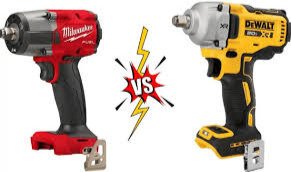
Milwaukee vs DeWalt vs Ryobi: Which Cordless Tool Platform Wins in 2026?
Choosing between Milwaukee vs DeWalt vs Ryobi is not really a tool decision, it is a battery decision you will live with for the next decade. Once you own four batteries and a charger, switching brands means writing off real money. This guide compares the three biggest cordless platforms on the things that actually cost or save you money over time.
This post contains affiliate links. We earn a commission when you purchase through our links at no extra cost to you. We only recommend products we’ve personally tested and use ourselves.
The Short Verdict
Best overall for pros: Milwaukee M18. The deepest lineup of heavy duty tools, the strongest high output batteries, and the best onboard electronics.
Best balance of power and price: DeWalt 20V MAX. Nearly the same performance ceiling, wider retail availability, and a friendlier entry cost for a first kit.
Best for homeowners and DIY: Ryobi ONE+. Over 300 tools on one battery and the lowest cost per tool of any major platform.
Why the Platform Matters More Than the Tool
Every cordless tool you buy is a vote for a battery standard. The drill you pick today decides what your impact wrench, circular saw, and work light will cost three years from now. That is why buyers should compare ecosystems first and individual tools second.
All three brands now sell brushless motors, electronic overload protection, and multi voltage chargers. The real separation happens in lineup depth, battery technology, and how much each additional tool costs you. Those three factors decide whether your system grows with you or boxes you in.
Battery Compatibility and Backward Support
Milwaukee M18 batteries have worked across the full M18 range since 2008, which is an unusually long compatibility run. DeWalt 20V MAX has kept the same slide pack since 2011 and adds FLEXVOLT packs that shift to 60V for larger tools. Ryobi ONE+ is the compatibility champion on paper, since an 18V pack from 1996 still fits current tools.
Backward support protects the money you already spent. It also means older, cheaper batteries stay useful as spares for low draw tools like lights and inflators. Check this before you buy any starter kit.
Lineup Depth and Tool Availability
Ryobi ONE+ leads on raw count with more than 300 tools, though many are light duty lifestyle products. Milwaukee M18 carries around 250 tools weighted heavily toward trade specific gear such as press tools, pipe threaders, and cable cutters. DeWalt 20V MAX sits near 200 tools with the strongest showing in woodworking and general construction.
Motor Technology and Real Power
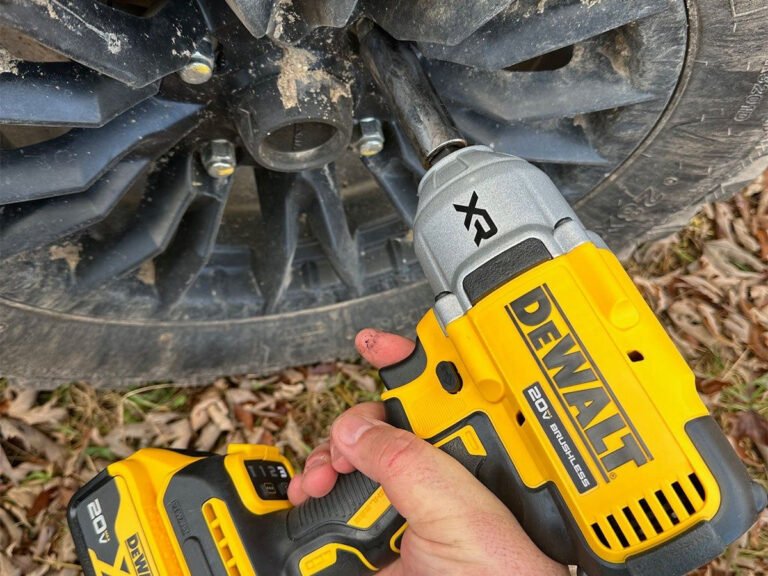
Brushless motors are standard across the premium lines of all three platforms. Milwaukee FUEL and DeWalt XR are the direct competitors here, and in most head to head tests they trade wins depending on the tool. Ryobi HP is the budget brushless answer and closes much of the gap for occasional use, though it gives up sustained output under heavy load.
Cost Per Tool Over Five Years
The starter kit price is the least important number in this comparison. What matters is the average cost of each bare tool you add afterward. Ryobi is consistently the cheapest per addition, DeWalt sits in the middle with frequent retail promotions, and Milwaukee carries the highest running cost.
Warranty and Service Network
Milwaukee offers five years on tools and three on batteries, backed by a dense network of authorized service centers. DeWalt matches with three years limited plus a one year free service contract and a very wide service footprint. Ryobi provides three years on tools and batteries, with service handled largely through Home Depot returns rather than repair depots.
Platform Comparison at a Glance
| Feature | Milwaukee M18 | DeWalt 20V MAX | Ryobi ONE+ |
|---|---|---|---|
| Nominal voltage | 18V | 18V, labeled 20V MAX | 18V |
| Tools on platform | Around 250 | Around 200 | Over 300 |
| Premium brushless line | M18 FUEL | XR and ATOMIC | HP Brushless |
| High capacity option | HIGH OUTPUT and FORGE | FLEXVOLT 60V shift | HP High Performance |
| Smart tool tracking | ONE-KEY | Tool Connect | Limited |
| Tool warranty | 5 years | 3 years limited | 3 years |
| Relative cost per tool | Highest | Moderate | Lowest |
| Best suited to | Full time trades | Serious DIY and pros | Homeowners |
1. Milwaukee M18: Best Cordless Tool Platform for Professionals
Milwaukee built M18 around trade users who run tools all day, and the engineering decisions show it. FUEL tools pair a POWERSTATE brushless motor with REDLINK PLUS electronics that cut power before heat damages the tool. The result is a platform that holds performance deep into a battery charge instead of fading.
The lineup is where Milwaukee pulls ahead for anyone who bills for their time. Plumbers get press tools, electricians get cable cutters and knockout punches, and mechanics get high torque impact wrenches that genuinely replace pneumatics. No other 18V platform covers trade specific work this thoroughly.
| Flagship line | M18 FUEL with POWERSTATE brushless |
| Battery range | 2.0Ah compact up to 12.0Ah HIGH OUTPUT |
| Standout tool | M18 FUEL high torque impact wrench |
| Warranty | 5 years tool, 3 years battery |
Pros
- Deepest trade specific tool catalog
- Best sustained power under heavy load
- ONE-KEY tracking and theft lockout
- Longest tool warranty of the three
Cons
- Highest running cost per added tool
- Batteries are heavy in large capacities
- Fewer retail discount cycles
- Overkill for occasional home projects
Verdict: 9.4 out of 10. If tools are how you earn a living, M18 repays its premium in uptime and lineup coverage.
Check Milwaukee M18 Prices on Amazon
2. DeWalt 20V MAX: Best All Round Cordless Platform
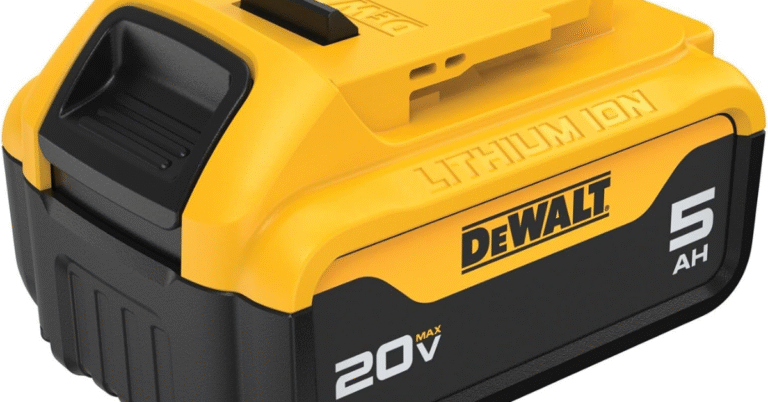
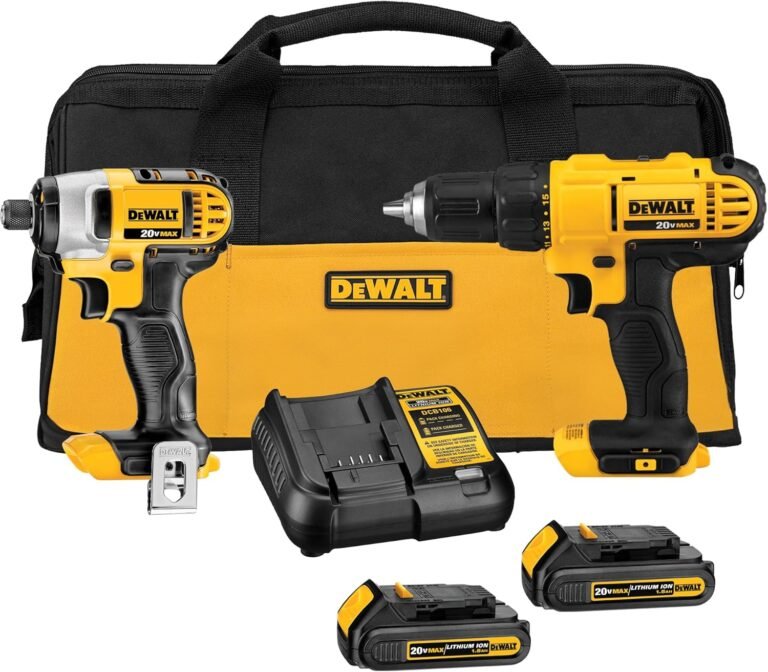
DeWalt 20V MAX is the safest choice for buyers who want professional capability without full professional pricing. The XR line competes directly with Milwaukee FUEL, while the lighter ATOMIC line covers compact work at a lower cost. Both run on the same slide pack, so you can mix tiers freely.
FLEXVOLT is the platform’s real trick and the reason many buyers pick it. These packs run as 20V on standard tools, then switch to 60V when mounted on larger saws and grinders. That single feature lets one battery system cover both a drill driver and a table saw.
| Flagship line | XR brushless, plus compact ATOMIC |
| Battery range | 1.7Ah compact up to 12.0Ah FLEXVOLT |
| Standout feature | FLEXVOLT voltage shifting packs |
| Warranty | 3 years limited, 1 year free service |
Pros
- FLEXVOLT covers corded class tools
- Strong woodworking and framing lineup
- Widest retail and service availability
- Frequent kit promotions lower entry cost
Cons
- Thinner plumbing and electrical specialty range
- Tool Connect trails ONE-KEY in features
- FLEXVOLT packs are bulky and heavy
- Confusing overlap between XR and ATOMIC
Verdict: 9.2 out of 10. The best default recommendation for most buyers who want one system to cover everything.
Check DeWalt 20V MAX Prices on Amazon
3. Ryobi ONE+: Best Value Cordless Platform for Homeowners
Ryobi ONE+ wins on breadth and price rather than peak performance. The platform covers drills and saws alongside inflators, glue guns, misting fans, and pressure washers. For a homeowner, that variety solves more weekend problems than raw torque ever will.
The HP Brushless line closed much of the performance gap that used to define Ryobi as a hobby brand. These tools handle deck building, fencing, and general renovation without complaint. They still give up ground on all day continuous duty, which is exactly where the price difference comes from.
| Flagship line | HP Brushless |
| Battery range | 1.5Ah compact up to 12.0Ah HP |
| Standout feature | Compatibility back to 1996 packs |
| Warranty | 3 years tool and battery |
Pros
- Lowest cost per additional tool
- Largest catalog including outdoor and lifestyle
- Unmatched backward battery compatibility
- Easy warranty handling through Home Depot
Cons
- Weaker under sustained heavy load
- Sold almost exclusively at one retailer
- Limited trade specific tools
- Build quality varies across the range
Verdict: 8.7 out of 10. The smartest money for homeowners and anyone whose tools sit idle most weekdays.
Check Ryobi ONE+ Prices on Amazon
Scored Summary
| Platform | Power | Lineup | Value | Overall |
|---|---|---|---|---|
| Milwaukee M18 | 9.6 | 9.5 | 8.4 | 9.4 |
| DeWalt 20V MAX | 9.4 | 9.0 | 9.0 | 9.2 |
| Ryobi ONE+ | 8.0 | 9.3 | 9.6 | 8.7 |
Frequently Asked Questions
Can I use Milwaukee batteries on DeWalt or Ryobi tools?
No, the battery interfaces are physically and electronically different on all three platforms. Third party adapters exist but they void your warranty and bypass the safety electronics. Stay within one system for anything you rely on.
Is Milwaukee actually stronger than DeWalt?
In direct testing the two trade wins depending on the tool category. Milwaukee usually leads on high torque impact wrenches and trade specific tools, while DeWalt often matches or beats it on saws and drills. The gap is small enough that lineup and price should decide your choice.
Is Ryobi good enough for professional work?
Ryobi HP tools handle light professional use such as handyman work and punch list repairs. They are not built for eight hours of continuous heavy duty cutting or driving. Full time trades will get better uptime from M18 or 20V MAX.
Which platform is cheapest over five years?
Ryobi ONE+ wins clearly on total cost because bare tools and batteries cost the least to add. DeWalt lands second thanks to regular promotional kit bundles. Milwaukee is the most expensive path unless your billable hours justify it.
Should I switch platforms if I already own batteries?
Usually not, unless your current platform genuinely cannot do the work you need. Selling off batteries and chargers loses most of their value immediately. A better move is adding a single tool from a second brand only where the gap is real.
Still Deciding?
Answer four quick questions about the work you do and we will match you to the right platform and starter kit.Take the Tool Finder Quiz
Also Read On:
PPE for Each Task: What Every Crew Needs (2026 Guide)
Why OSHA Compliant Fall Protection Harnesses Are Not Optional
How to Test a Circuit Breaker With a Multimeter in 6 Safe Steps