Best NRR Rated Ear Protection for Loud Power Tools in 2026
Not sure if this category is right for you? Take the tool finder quiz and get matched to the gear that fits your workshop, your budget and your jobs.
NRR rated ear protection is the only honest way to compare hearing defenders, because the number printed on the cup is a laboratory measurement rather than a marketing claim. Noise damage is permanent and cumulative, so the muff you skip today shows up as tinnitus a decade from now. I have run saws, grinders and rotary hammers in tight Nairobi workshops long enough to know which defenders stay on the head.
This guide ranks high performance hearing protection by attenuation, comfort over a full shift and jobsite durability. Every pick carries a published Noise Reduction Rating, and I explain how to translate that rating into real protection.
We independently evaluate all of our recommendations. If you click on links we provide, we may receive compensation.
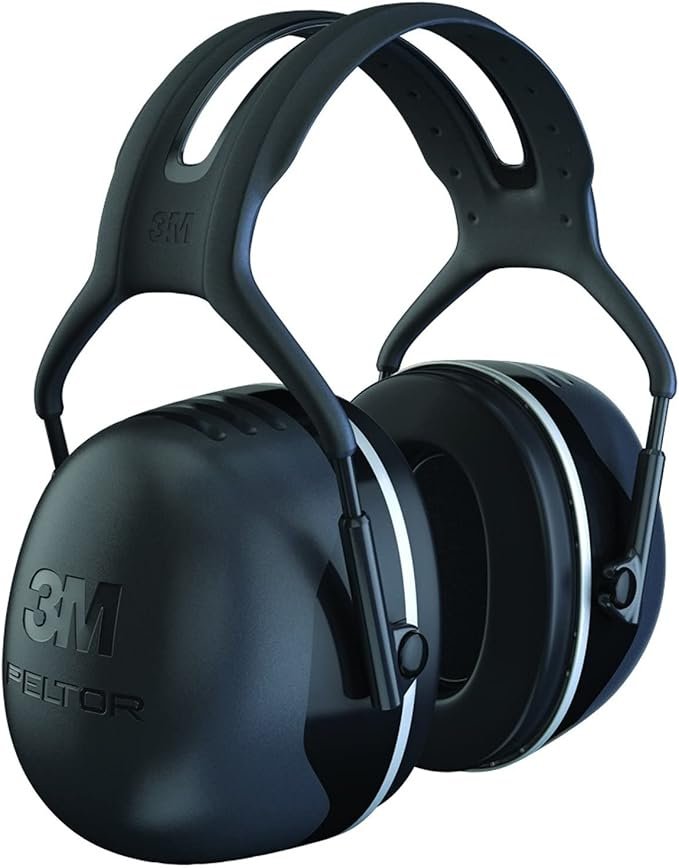
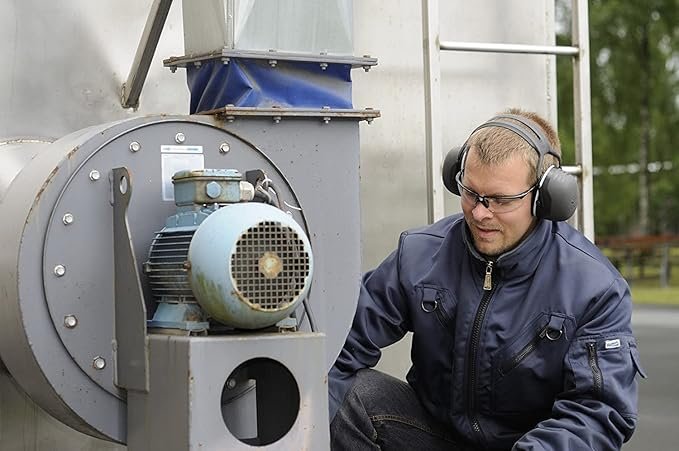
3M Peltor X5A Over the Head Earmuff
With an NRR of 31 decibels, the X5A sits at the top of the passive muff class. Wide sealing rings hold a clean seal on most head shapes, and the wire headband keeps tension steady after months of use. It is the pair I hand to anyone running loud gear all day.
How to Choose NRR Rated Ear Protection
Understand What the NRR Number Really Means
The Noise Reduction Rating is measured in a laboratory with a perfect fit, so it represents a ceiling rather than a promise. NIOSH recommends derating that figure before you rely on it. Treat the printed rating as a ranking tool between products, not as decibels you subtract in the field.
For a rough field estimate, subtract 7 from the NRR and halve the result. A muff rated at 31 therefore lands nearer 12 effective decibels in ordinary use, which still drops a 100 decibel grinder into safe territory.
Match Protection to Your Actual Noise Exposure
OSHA sets an action level of 85 decibels averaged over eight hours and a permissible limit of 90 decibels. Most cordless drills sit below that, while grinders, impact wrenches and mitre saws push past it easily. Match higher ratings to the loudest tool you use regularly.
Overprotection carries a real cost too, because muffling every warning shout and reversing alarm creates its own hazard. If you work around traffic or a crew calling instructions, an electronic muff that passes normal speech is the smarter buy.
Earmuffs, Plugs or Both
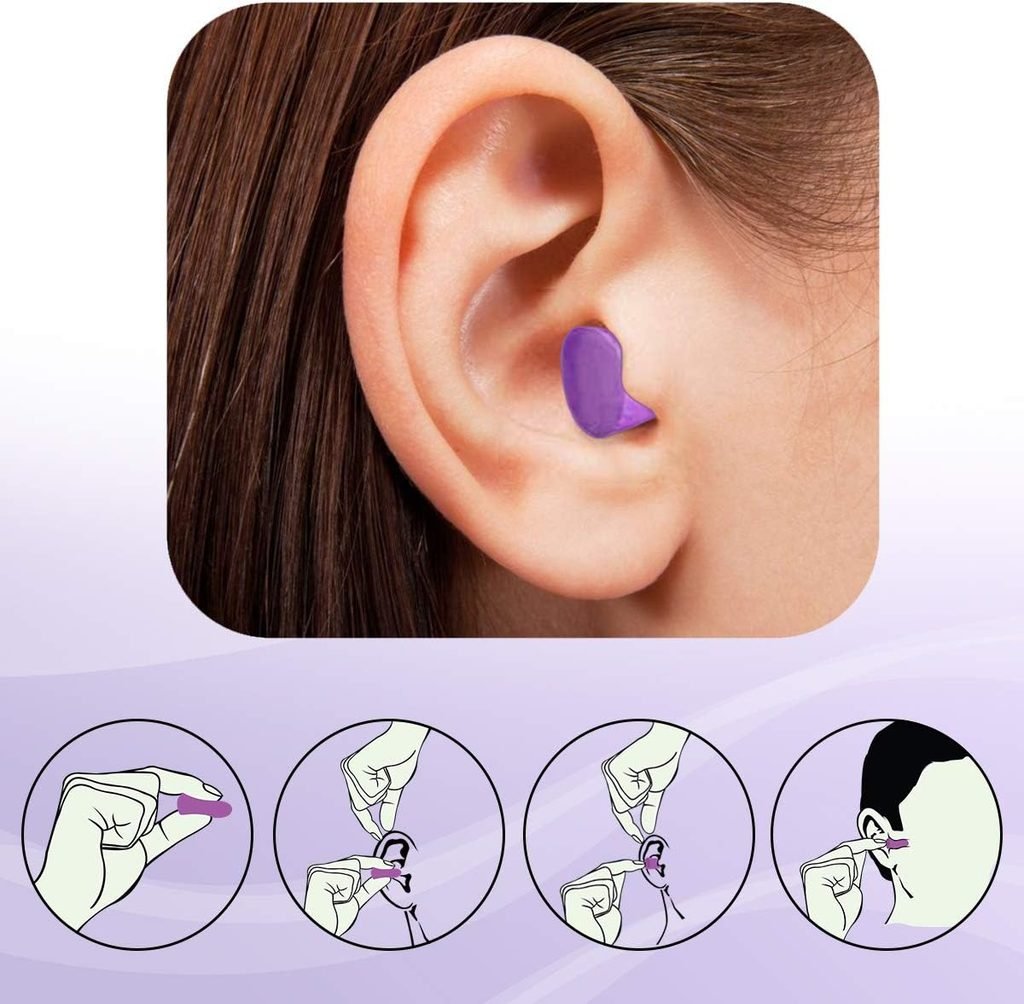
Foam plugs post the highest laboratory ratings, but only when rolled and inserted correctly. Earmuffs are far more consistent for casual users since the seal is obvious the moment they go on. Above 100 decibels, plugs worn under muffs add roughly 5 decibels to the higher rated device.
Comfort, Clamping Force and Compatibility
Clamping force is the quiet reason people abandon good muffs. Too little pressure breaks the seal and the rating collapses, while too much creates a headache before lunch. Wide foam cushions spread that load across a long session.
Check hard hat compatibility before buying if you work on site, since over the head bands will not fit under most helmets. Glasses matter too, because thick temple arms break the cushion seal and leak noise straight through.
Specs Comparison
| Model | NRR | Type | Best For |
|---|---|---|---|
| 3M Peltor X5A | 31 dB | Passive muff | All day loud work |
| Decibel Defense Professional | 37 dB | Passive muff | Maximum attenuation |
| Howard Leight Impact Sport | 22 dB | Electronic muff | Hearing crew and alarms |
| 3M WorkTunes Connect | 24 dB | Bluetooth muff | Long solo shop sessions |
| Moldex Pura Fit Plugs | 33 dB | Foam plugs | Budget and layering |
The Best NRR Rated Ear Protection Reviewed
1. 3M Peltor X5A: Best Overall
The X5A is the benchmark passive muff that most other cups get measured against. At 31 decibels it handles grinders, planers and demolition work without the weight of older high attenuation designs. The cushions are deep enough that your ears never touch the inner shell.
Clamping force sits firm on day one and settles after a week of use. Replacement cushions are widely stocked, so a worn pair gets refreshed instead of replaced. My only reservation is bulk in tight spaces.
| NRR | 31 dB |
| Style | Over the head, passive |
| Hard hat ready | No, use cap mount version |
Pros
- Top tier passive attenuation
- Deep cushions clear the ears
- Cushions are replaceable
Cons
- Bulky in confined spaces
- Blocks speech completely
Verdict: 9.4 out of 10. The safest default for anyone running loud tools regularly.
2. Decibel Defense Professional Safety Earmuff: Highest Rating
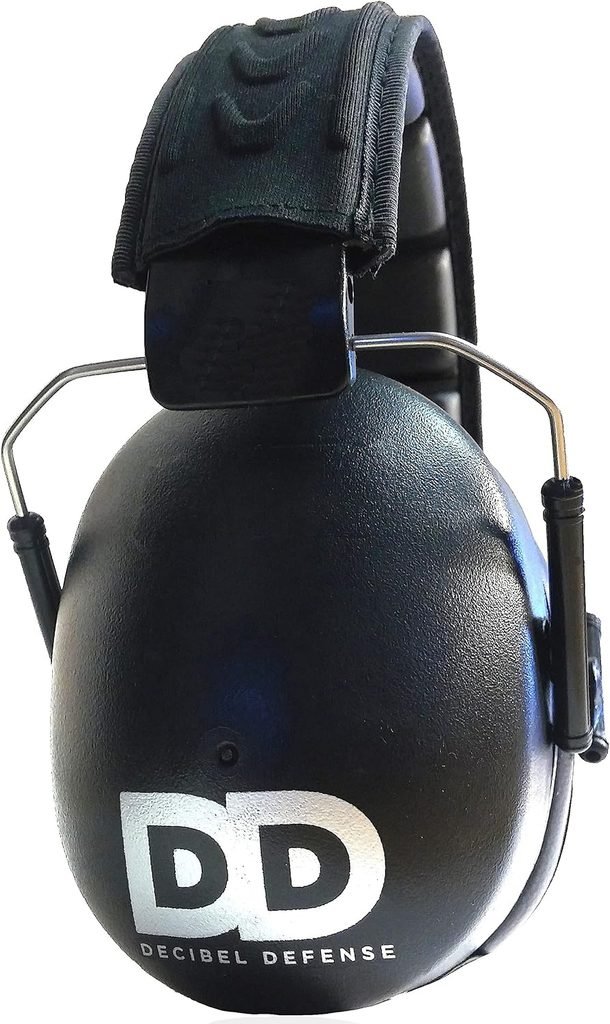
This pair carries one of the highest consumer ratings at 37 decibels, aimed squarely at chainsaw work and demolition. The shells are noticeably thicker than standard muffs, which is where the extra attenuation comes from. Build quality is plain rather than refined, but the seal is excellent.
The headband adjusts through a wide range and holds position well. Expect real heat build up in hot weather since the cups trap warmth.
| NRR | 37 dB |
| Style | Over the head, passive |
| Best use | Extreme impulse noise |
Pros
- Class leading attenuation figure
- Wide adjustment range
- Strong seal on most heads
Cons
- Warm in hot conditions
- Basic finish and materials
Verdict: 9.0 out of 10. Choose this when the noise is brutal and awareness is not critical.
3. Howard Leight Impact Sport: Best Electronic Option
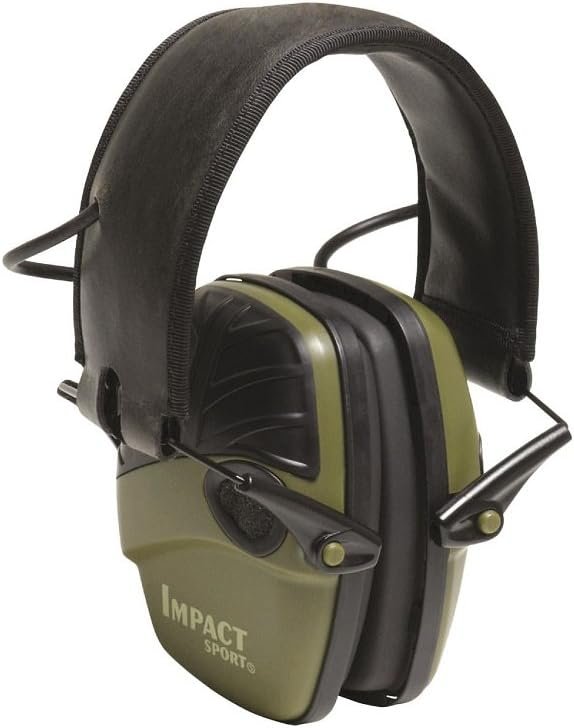
Electronic muffs solve the awareness problem by amplifying quiet sound and clamping loud sound within milliseconds. The Impact Sport is the most established design in this class. Its 22 decibel rating is modest, so pair it with plugs for the loudest jobs.
Directional microphones let you hold a conversation without lifting a cup, which matters on a busy crew. The low profile shells clear your shoulder during overhead work. Battery dependence is the tradeoff, so keep spares in the case.
| NRR | 22 dB |
| Power | Two AAA batteries |
| Extras | Auxiliary input, folding |
Pros
- Keeps speech and alarms audible
- Slim shells clear obstructions
- Long battery life
Cons
- Lowest rating in this lineup
- Thin cushions wear faster
Verdict: 8.9 out of 10. The best pick when situational awareness is part of the job.
4. 3M WorkTunes Connect: Best for Long Shop Sessions
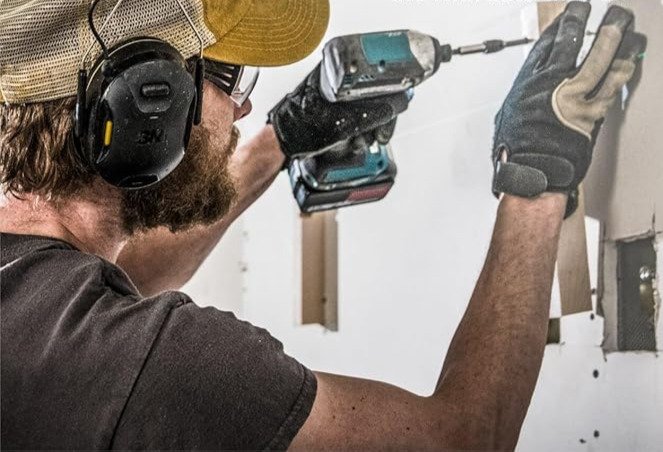
A 24 decibel rating with Bluetooth audio makes this the muff people actually wear voluntarily. Sound quality is respectable for a hearing protector, and the microphone handles calls in a quiet moment. Padding suits several hours of sanding or routing.
Controls are large and work with gloves on. Battery life covers a full working day. Just remember that music tempts you toward volume levels that undermine the protection itself.
| NRR | 24 dB |
| Audio | Bluetooth with microphone |
| Controls | Glove friendly buttons |
Pros
- Comfortable for long sessions
- Solid audio and call quality
- Easy controls with gloves on
Cons
- Encourages risky listening volume
- Heavier than passive muffs
Verdict: 8.7 out of 10. Ideal for solo shop work where no one needs to shout at you.
5. Moldex Pura Fit Foam Plugs: Best Value
At 33 decibels these tapered foam plugs beat most muffs on paper for a fraction of the outlay. The smooth surface slides in cleanly and the slow recovery foam expands to fill the canal. Bought in bulk, they are the cheapest serious protection available.
Insertion technique decides everything here, so roll them thin and hold them until they expand. They are also the layer I add under muffs when running a demolition hammer.
| NRR | 33 dB |
| Style | Disposable foam plugs |
| Best use | Layering and tight spaces |
Pros
- High rating at low cost
- Works under muffs and helmets
- Comfortable under glasses
Cons
- Performance depends on insertion
- Creates ongoing waste
Verdict: 8.6 out of 10. The smartest cheap upgrade and the best partner for dual protection.
Scored Summary
| Model | Award | Score |
|---|---|---|
| 3M Peltor X5A | Best overall | 9.4 |
| Decibel Defense Professional | Highest rating | 9.0 |
| Howard Leight Impact Sport | Best electronic | 8.9 |
| 3M WorkTunes Connect | Best for long sessions | 8.7 |
| Moldex Pura Fit Plugs | Best value | 8.6 |
Frequently Asked Questions
What NRR do I need for power tools?
A rating of 25 decibels or higher covers most workshop tools including circular saws, routers and grinders. Step up toward the low thirties for demolition hammers, chainsaws and pneumatic gear. Anything below 20 suits light garden work.
Do earplugs really beat earmuffs on paper?
Foam plugs often carry higher laboratory ratings because they seal inside the ear canal. In practice many users insert them shallowly and lose most of that advantage. Muffs deliver more consistent results for untrained users.
Can I wear plugs and muffs together?
Yes, and it is standard practice for extreme noise. Combining them does not add the two ratings together, so add roughly 5 decibels to whichever device is rated higher. That is enough for chainsaw and demolition work.
Does hearing protection expire?
Foam plugs are single use and should be discarded after a shift. Muff cushions harden and shrink over time, which quietly ruins the seal. Replace cushions every six to twelve months under regular use.
Will high NRR muffs make me miss safety alarms?
Strong passive muffs do reduce your ability to hear warnings and shouted instructions. On busy sites an electronic muff that passes speech while blocking impulse noise is the safer compromise. Reserve maximum attenuation for controlled work areas.
Protect the Hearing You Still Have
Noise damage never reverses, so the right muff today is cheaper than any hearing aid tomorrow. The 3M Peltor X5A stays the safest all round choice for loud tool work.See Today’s Price on Amazon
Also Read On:
Best Hard Hats for Construction Workers
Respirator Fit Testing Mistakes: 5 Errors That Could Cost You in 2026