High Visibility Safety Vests: 6 Best Hi-Vis Picks for 2026
High visibility safety vests are the cheapest insurance a worksite can buy. The right vest puts you in the line of sight of drivers, crane operators, and forklift drivers before anything goes wrong. This guide ranks six of the best hi-vis safety vests sold worldwide and shows exactly who each one suits.
I have field tested workwear across roadworks, warehouses, and night shifts for over ten years. Below you get the ANSI class breakdown, real material differences, and a scored verdict for every pick. Use the comparison table to jump straight to your match.
We independently evaluate all of our recommendations. If you click on links we provide, we may receive compensation.
Top Pick Overall
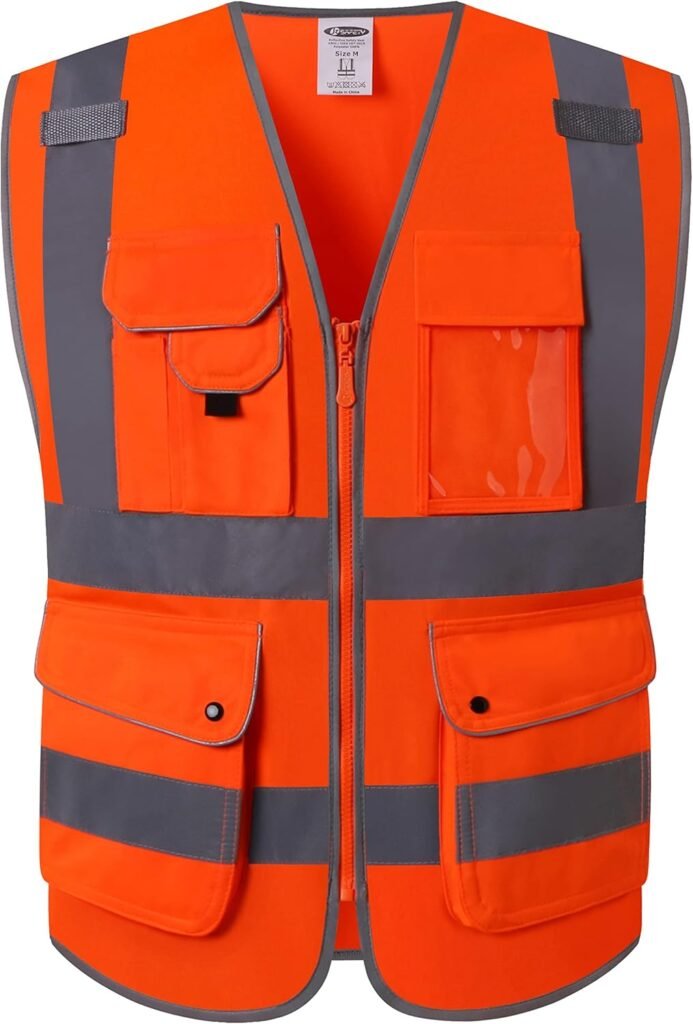
JKSafety 9 Pocket Class 2 Hi-Vis Vest
It hits the sweet spot of certified visibility, generous pocket storage, and a price that lets you outfit a whole crew. The Class 2 rating covers most road and construction work, and the zip front holds up better than cheap hook and loop strips.Check Price
How to Choose a Hi-Vis Safety Vest
Know Your ANSI Class
ANSI/ISEA 107 sorts vests into Class 1, Class 2, and Class 3 by how much reflective and background material they carry. Class 2 suits most roadway and construction crews working near moderate traffic. Class 3 adds sleeves and more reflective area for highway and night work where speeds are high.
Material and Breathability
Solid polyester shells last longer and resist snags around tools and rebar. Polyester mesh breathes far better and is the smart call for hot climates or heavy physical work. If you sweat through shirts by noon, prioritize a mesh body over a solid one.
Pockets and Closures
A zip front survives daily wear longer than thin hook and loop tabs. Pockets matter more than people expect, since a radio, phone, pencil, and badge all need a home. Surveyors and electricians should lean toward multi pocket designs.
Fit and Sizing
Hi-vis sizing runs large because vests are built to layer over jackets. Order true to size if you wear it on its own, or size down one step for a slim fit. Women often get a cleaner fit from cuts shaped at the shoulder and waist.
Quick Comparison
| Vest | ANSI Class | Closure | Pockets | Best For |
|---|---|---|---|---|
| JKSafety 9 Pocket | Class 2 | Zipper | 9 | Overall value |
| Ergodyne GloWear 8310HL | Class 3 | Zipper | 3 | Night and highway |
| KwikSafety Multipack | Class 2 | Hook and loop | 2 | Budget crews |
| Pyramex Lumen Mesh | Class 2 | Hook and loop | 2 | Hot climates |
| Radians SV55 Surveyor | Class 2 | Zipper | 11 | Surveyors |
| Ergodyne GloWear Bomber | Class 3 | Zipper | 4 | Cold weather |
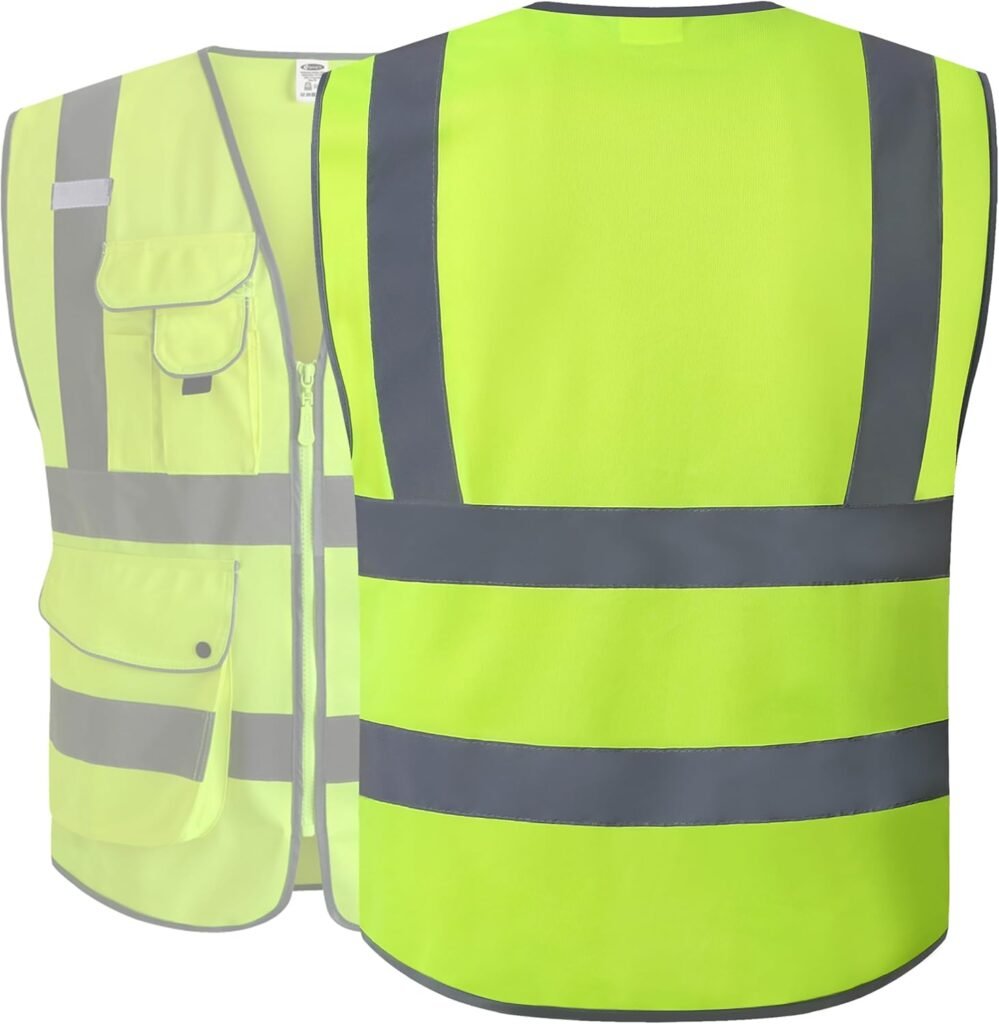
1. JKSafety 9 Pocket Class 2 Hi-Vis Vest (Best Overall)
This is the vest I hand new crew members first. It pairs a certified Class 2 rating with nine functional pockets and a sturdy zip front. The fluorescent body stays bright after repeated washes, which is where cheaper vests fade fast.
| ANSI Class | Class 2 |
| Material | Solid polyester with mesh back |
| Closure | Heavy duty zipper |
| Pockets | 9 including phone and ID slots |
Pros
Nine real pockets, durable zipper, color holds after washing, mesh back vents heat.
Cons
Runs slightly large, not rated for high speed night work.
Verdict: 9.4 / 10. For everyday road, warehouse, and construction work this is the best balance of safety, storage, and price on the market.
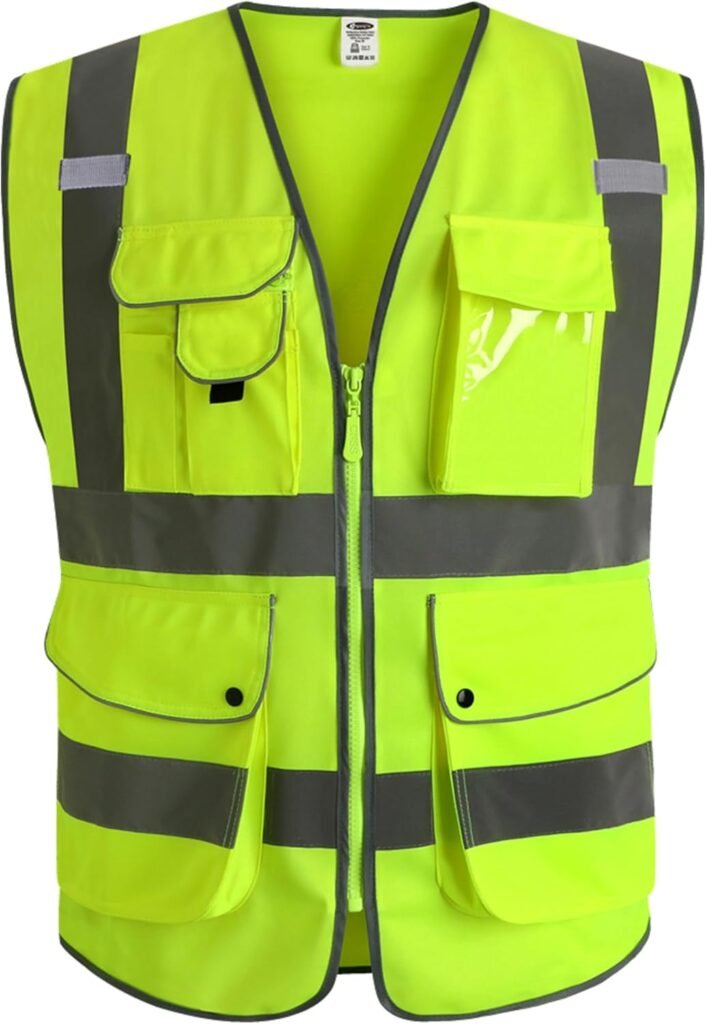
2. Ergodyne GloWear 8310HL Class 3 (Best for Night Work)
When traffic moves fast or the sun is down, Class 3 is the safe choice. The GloWear 8310HL wraps reflective tape over the shoulders and arms for full body visibility. Ergodyne builds it to hold its shape and brightness through long shifts.
| ANSI Class | Class 3 |
| Material | Breathable polyester |
| Closure | Zipper |
| Pockets | 3 |
Pros
Full Class 3 coverage, trusted brand, comfortable for long shifts.
Cons
Costs more than basic vests, fewer pockets than surveyor cuts.
Verdict: 9.2 / 10. If your job touches highways or night shifts, the extra coverage is worth every cent.
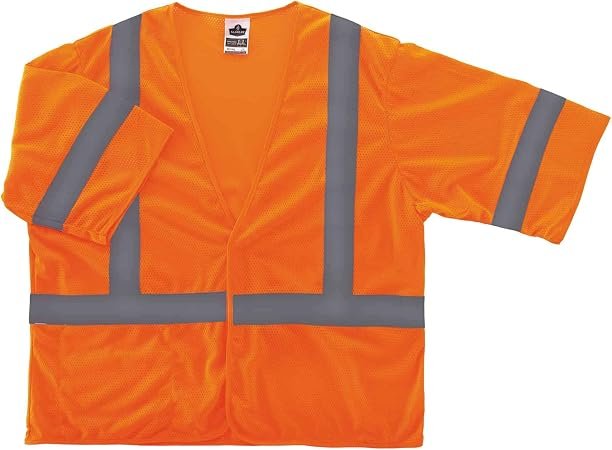
3. KwikSafety Multipack (Best Budget Buy)
Outfitting a whole crew gets expensive fast unless you buy in bulk. KwikSafety multipacks bring the per vest cost right down without dropping the Class 2 rating. They are basic, but they do the one job a vest must do.
| ANSI Class | Class 2 |
| Material | Polyester mesh |
| Closure | Hook and loop |
| Pockets | 2 |
Pros
Very low cost per vest, certified Class 2, breathable mesh body.
Cons
Thin material, hook and loop wears over time.
Verdict: 8.6 / 10. The smart pick for managers kitting out volunteers, events, or large rotating crews on a tight budget.
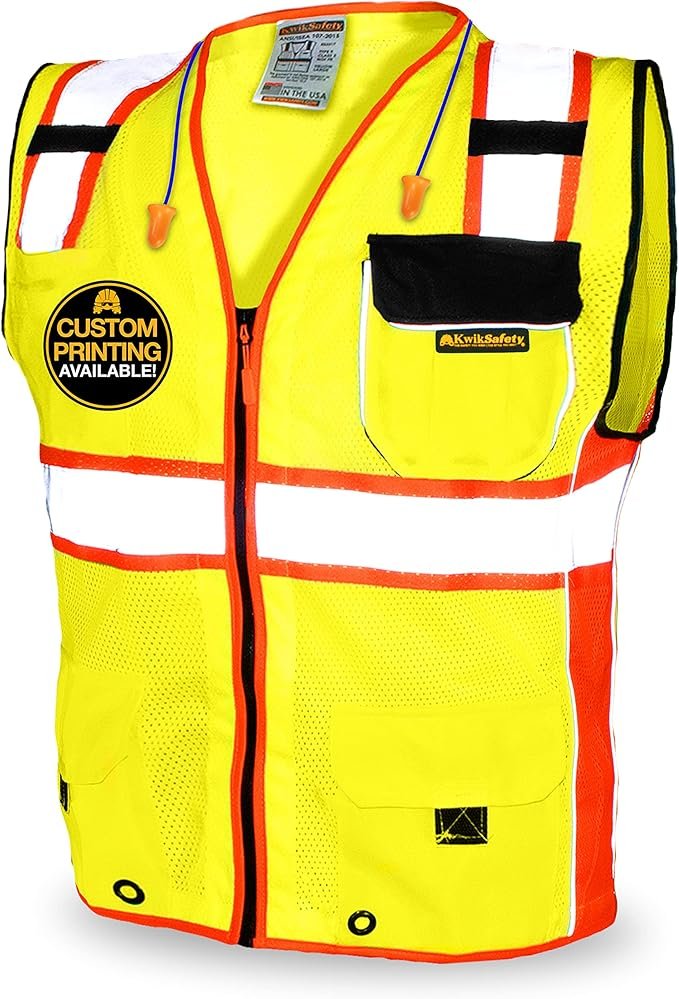
4. Pyramex Lumen Mesh (Best for Hot Climates)
Heat is the reason most workers skip their vest, and that is a dangerous habit. The Pyramex Lumen uses an open mesh body that moves air across your back all day. It stays bright and certified while feeling far cooler than solid shells.
| ANSI Class | Class 2 |
| Material | Lightweight polyester mesh |
| Closure | Hook and loop |
| Pockets | 2 |
Pros
Excellent airflow, very light, comfortable in high heat.
Cons
Mesh snags on rough material, limited storage.
Verdict: 9.0 / 10. For summer roadwork or tropical sites, breathability this good keeps the vest on your back where it belongs.
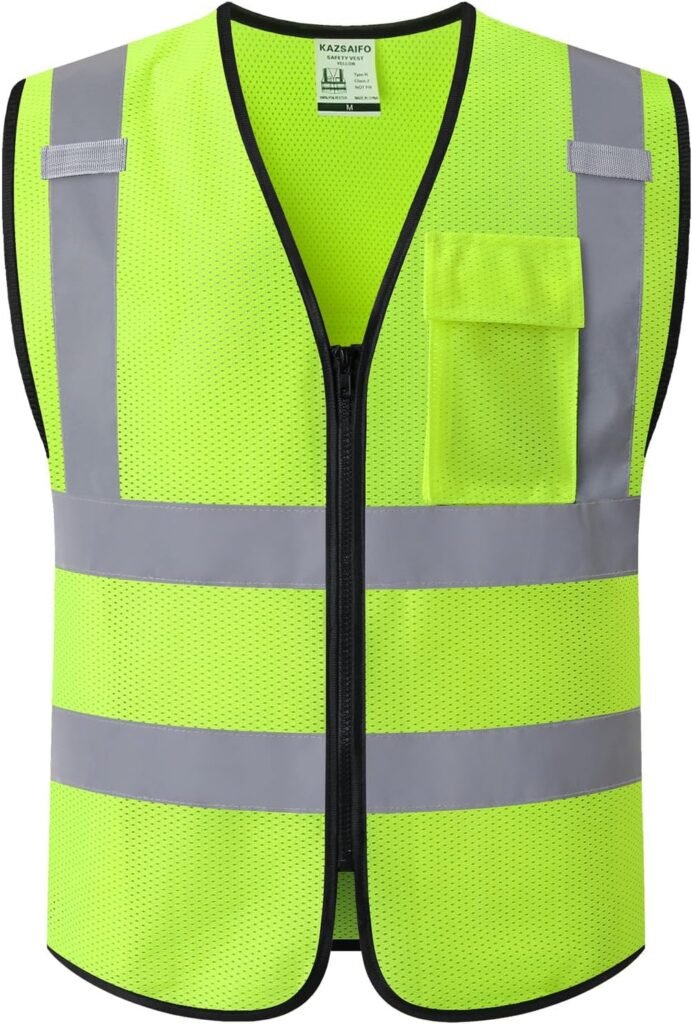
5. Radians SV55 Surveyor (Best for Pockets)
Surveyors, electricians, and inspectors carry a lot of small gear. The Radians SV55 answers with eleven pockets, including padded slots for tablets and radios. The dual zip front and solid build make it the workhorse of this list.
| ANSI Class | Class 2 |
| Material | Solid polyester |
| Closure | Dual zipper |
| Pockets | 11 |
Pros
Huge storage, tough build, padded device pockets, dual zip.
Cons
Warmer than mesh, heavier when fully loaded.
Verdict: 9.1 / 10. If your trade means carrying tools and tech all day, no other vest here keeps you this organised.
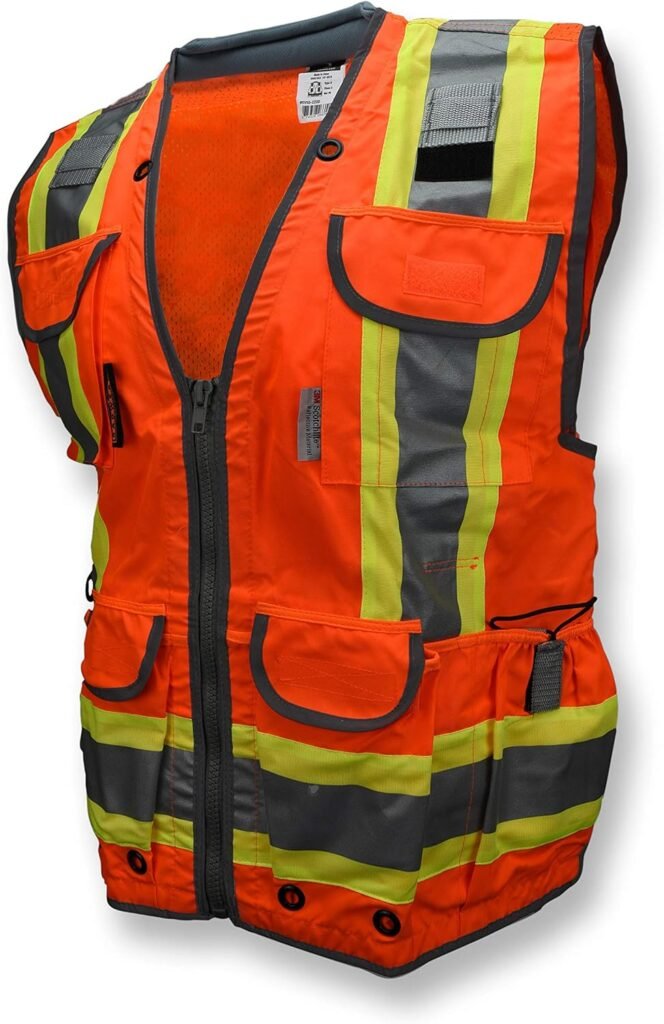
6. Ergodyne GloWear Bomber Jacket (Best for Cold Weather)
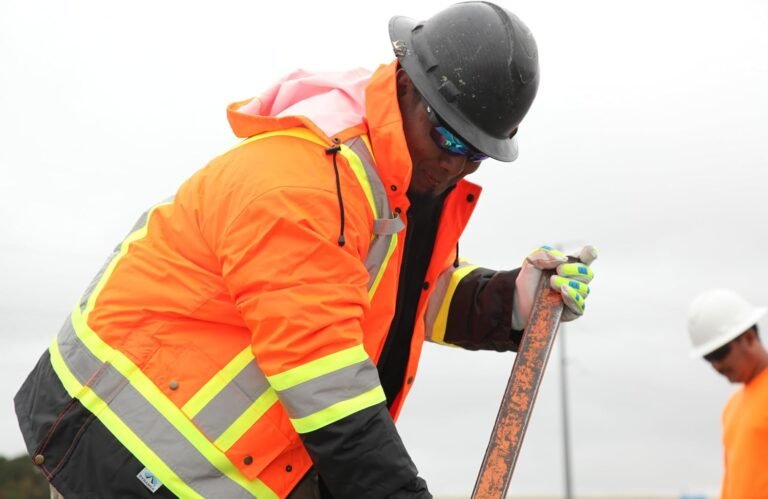
Winter work still demands Class 3 visibility, and a vest over a bulky coat is awkward. The GloWear bomber bakes the hi-vis rating into a warm, water resistant jacket. It is the cleanest answer for cold and wet sites.
| ANSI Class | Class 3 |
| Material | Insulated water resistant shell |
| Closure | Zipper with storm flap |
| Pockets | 4 |
Pros
Warm, water resistant, full Class 3 rating, storm flap.
Cons
Higher price, too warm for mild days.
Verdict: 9.0 / 10. A single garment that keeps you warm, dry, and seen is worth the investment for winter crews.
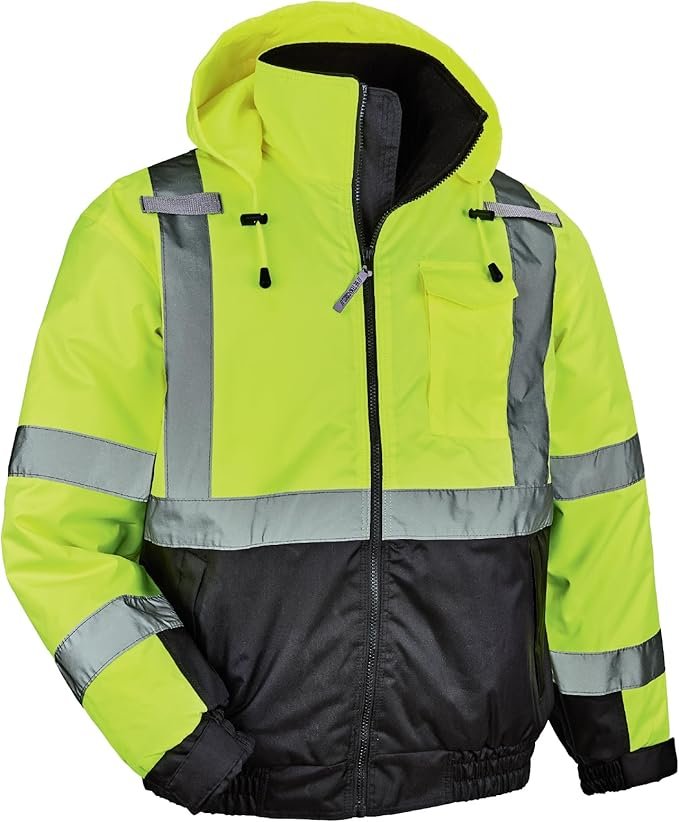
Beyond the Vest: Building a Hi-Vis Workwear System
A vest is the starting point, not the whole answer, on a serious site. Many jobs now expect hi-vis trousers, jackets, and headwear to work as a complete system. Pairing a Class E pant with a Class 2 vest lifts your combined rating to Class 3.
Think about the conditions your crew actually faces across a year. Rain gear in hi-vis keeps you compliant through wet shifts when a basic vest soaks through. A reflective beanie or hard hat cover adds visibility at the height drivers scan first.
Matching your background color across garments also reads cleaner from a distance. Mixing fluorescent yellow and orange pieces can confuse the eye at speed. Pick one base color for the whole kit and stay consistent.
Scored Verdict Summary
| Vest | Best For | Score |
|---|---|---|
| JKSafety 9 Pocket | Overall value | 9.4 |
| Ergodyne GloWear 8310HL | Night and highway | 9.2 |
| Radians SV55 Surveyor | Pockets | 9.1 |
| Pyramex Lumen Mesh | Hot climates | 9.0 |
| Ergodyne GloWear Bomber | Cold weather | 9.0 |
| KwikSafety Multipack | Budget crews | 8.6 |
Frequently Asked Questions
What is the difference between Class 2 and Class 3 vests?
Class 2 carries enough reflective material for moderate traffic and most construction sites. Class 3 adds sleeves and more coverage for high speed roads and night work. The faster the traffic, the higher the class you need.
Which hi-vis color is best, yellow or orange?
Fluorescent yellow green shows up best against most daytime backgrounds. Orange stands out better against green foliage and snow. Many sites simply specify a color, so check your site rules first.
How often should I replace a safety vest?
Replace a vest once the color fades or the reflective tape cracks and dulls. Faded material no longer meets its rating even if it looks usable. For daily heavy use, plan on a yearly swap.
Can I wash a hi-vis safety vest?
Yes, but wash on a gentle cycle in cold water and skip the dryer. Heat and harsh detergents break down reflective tape fastest. Air drying keeps both the brightness and the tape intact longer.
Do safety vests expire?
Vests do not carry a hard expiry date, but their protection fades with wear and sun exposure. Once the fabric dulls or the tape lifts, the certified performance is gone. Treat visible wear as your replacement signal.
Our Top Pick
For most crews the JKSafety 9 Pocket Class 2 vest gives you certified safety, real storage, and value that scales across a whole team.
Check Out Our Best Offer In The Market
Also Read On:
PPE for Each Task: What Every Crew Needs (2026 Guide)
Holikme Drill Brush Set Review: Is It Worth Buying?
This Hammer Drill Outperformed DeWalt, Makita, and More in Our Tests