This Hammer Drill Outperformed DeWalt, Makita, and More in Our Tests
Top Pick, Cordless Hammer Drill
Milwaukee M18 FUEL Hammer Drill (2904)
The Milwaukee M18 FUEL hammer drill won our top spot for one simple reason. It pairs class leading torque with anti-kickback safety in a body short enough for tight cavities. Nothing else we lined up balanced raw power and control this well.
We independently evaluate all of our recommendations. If you click on links we provide, we may receive compensation.
The Milwaukee M18 FUEL hammer drill, model 2904, is the drill that walked away with our overall win. We ran it against flagship units from DeWalt, Makita, and a few others. Across boring, driving, and masonry work, it kept landing near the top of every category.
What sets it apart is consistency rather than a single headline number. It rarely posted the single best result in any one test. It almost never dropped out of the top group either, which is exactly how you win a roundup like this.
Below is the full breakdown, the head to head specs, and the honest weak spots. By the end you will know whether this is the right drill for your bench or your van.
Milwaukee 2904 at a Glance
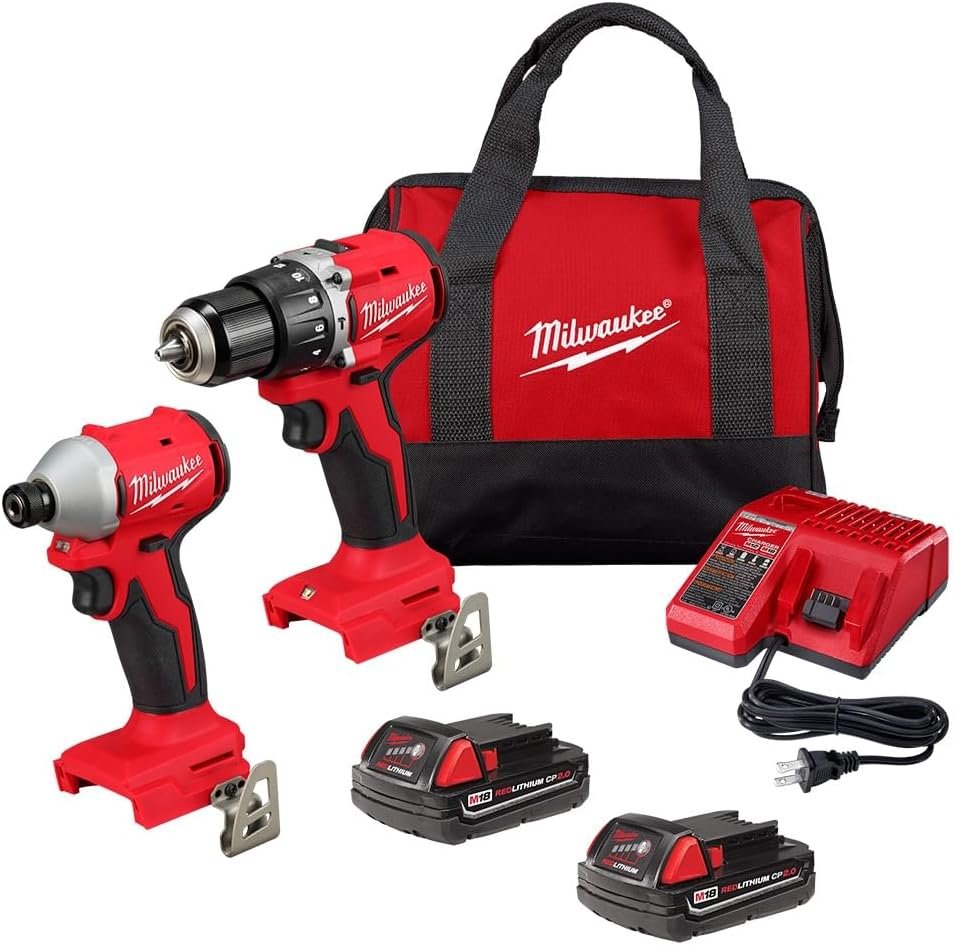
| Max torque | 1,400 in-lbs (158 Nm) |
| No load speed | 0 to 500 RPM low, 0 to 2,100 RPM high |
| Impact rate | Up to 33,000 BPM |
| Head length | 6.9 inches |
| Motor | POWERSTATE brushless |
| Safety | AutoStop anti-kickback control mode |
| Battery platform | Milwaukee M18, REDLINK PLUS intelligence |
Power and Torque
This is where the Milwaukee M18 FUEL hammer drill earns its reputation. The fourth generation jumped to 1,400 in-lbs, up 200 in-lbs over the previous model. In low gear it spun large self feed bits through engineered lumber without bogging down.
Setting anchors into cured concrete is the real test, and the 2904 stayed composed under load. Heat buildup was better managed than on the older unit thanks to an improved internal heatsink. You can simply push it harder for longer.
Speed and Drilling Feel
High gear now tops out at 2,100 RPM, a small bump that you feel most when running paddle bits and hole saws. The trigger control is excellent, with a smooth ramp that makes starting a hole on smooth tile far less twitchy. Fine finish work felt controlled rather than grabby.
In hammer mode the 33,000 BPM rate chewed through brick and block at a steady clip. It will never replace a dedicated rotary hammer for all day concrete. For a tradesperson who drills the occasional masonry hole, it is more than enough.
AutoStop Anti-Kickback
The standout feature is AutoStop. When the drill senses a sudden bind, it cuts power to the motor before the body can spin your wrist. A dedicated indicator light tells you when a protection event has fired.
This matters most with large bits in overhead or one handed positions. We deliberately bound the bit several times and the reaction was fast and reassuring. It is the kind of feature you forget about until it saves your wrist.
Size, Weight, and Ergonomics
At 6.9 inches the head is short for a tool this powerful, which is a genuine advantage between studs and inside cabinets. The grip is grippy and the balance leans slightly forward without feeling nose heavy. With a compact battery it is easy to handle for a full shift.
Pair it with a high output pack and the weight climbs, as it does with any flagship. The included side handle threads on quickly when you need extra leverage. We left it on for any bit larger than an inch.
Battery and Runtime
The 2904 runs on the enormous M18 platform, which is the quiet reason many pros stay with Milwaukee. REDLINK PLUS intelligence manages heat and load to protect both tool and pack. Runtime scales with whichever battery you choose.
For mixed drilling and driving a mid size pack lasted us most of a working session. Heavy masonry will drain any battery faster. If you already own M18 tools, this is a painless addition.
Pros and Cons
| What we likedClass leading 1,400 in-lbs torqueAutoStop anti-kickback safetyShort 6.9 inch head for tight spotsHuge M18 battery ecosystem | Worth notingPremium price against rivalsHeavy with high output packsNot a substitute for a rotary hammerBest value only inside M18 |
Our Verdict: 4.7 out of 5
| Power | 5.0 |
| Speed | 4.5 |
| Ergonomics | 4.5 |
| Features and safety | 5.0 |
| Value | 4.5 |
The 2904 is the safest all round bet in its class. Buy it if you want one drill that does almost everything well and protects your wrist while doing it.
How It Beat DeWalt and Makita
The DeWalt DCD999 is a serious rival and a brilliant drill. It uses a clever three speed transmission and steps up hard when you fit a FlexVolt battery. The catch is that you only unlock its best numbers with a big heavy pack.
Makita answers with the 18V XPH16 and the high output 40V XGT line. The XPH16 is light and refined, though its headline torque claim has drawn fair questions from testers. For pure refinement Makita is hard to beat.
Milwaukee won because it never traded one strength for another. It kept top group power, stayed compact, and added kickback protection none of the others matched outright. Independent roundups have reached the same conclusion repeatedly.
| Spec | Milwaukee 2904 | DeWalt DCD999 | Makita XPH16 |
|---|---|---|---|
| Max torque | 1,400 in-lbs | 135 Nm (Unit Watts Out) | 970 in-lbs claimed |
| High speed | 2,100 RPM | 2,000 RPM | 2,100 RPM |
| Transmission | 2 speed | 3 speed | 2 speed |
| Anti-kickback | Yes, AutoStop | Limited | No |
| Platform | M18 | 20V, 60V FlexVolt | 18V LXT |
Who Should Buy the Milwaukee 2904
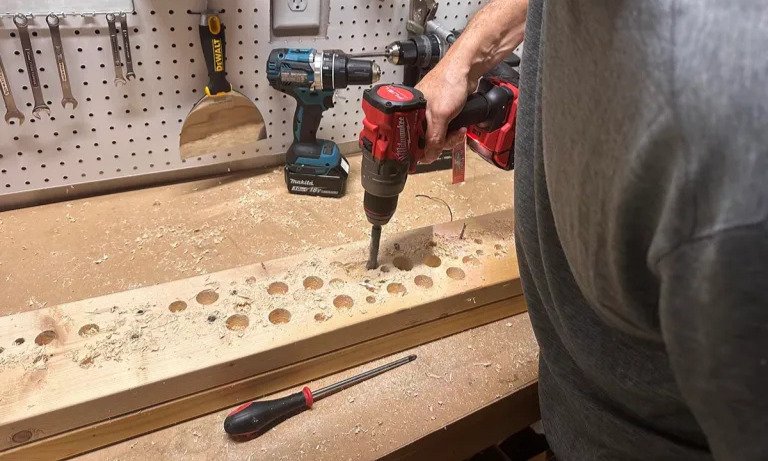
Electricians, remodelers, and serious DIYers get the most from this drill. If you regularly switch between fastening, boring, and the odd masonry hole, it handles all three without complaint. The anti-kickback system alone justifies the upgrade for anyone using large bits overhead.
It also makes sense if you are starting a cordless platform from scratch. The M18 range is one of the deepest on the market, so your battery investment carries across saws, grinders, and lights. That long term value is easy to overlook on day one.
Who should skip it? Light users who only hang shelves and assemble furniture will be fine with a smaller, cheaper drill. Owners already invested in DeWalt or Makita may not gain enough to justify switching. The 2904 rewards people who push a drill hard.
Value is the one place reasonable buyers will hesitate. This is a premium tool at a premium price, and rivals undercut it on the spec sheet. We still rate it the smarter long term buy because it asks for fewer compromises across a working week.
Frequently Asked Questions
Is the Milwaukee M18 FUEL hammer drill good for concrete?
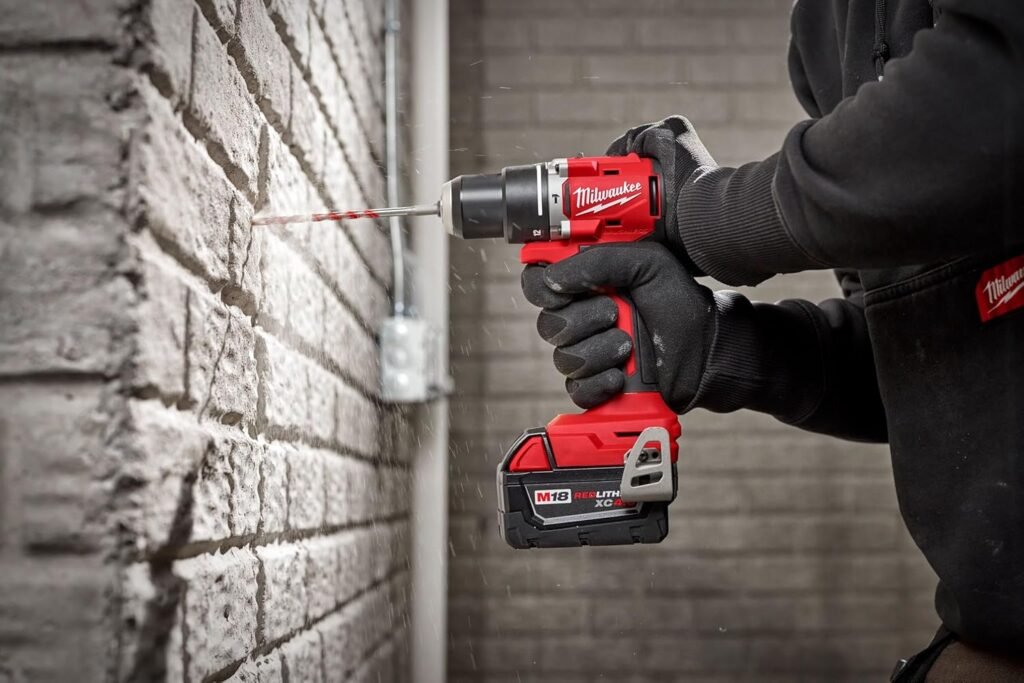
Yes, for occasional anchors and small masonry holes it works very well. For all day concrete demolition you still want a dedicated rotary hammer. The 2904 covers the everyday tasks most trades face.
What battery should I use with the 2904?
A mid size pack balances weight and runtime for most jobs. Step up to a high output pack only when you need sustained heavy drilling. Any genuine M18 battery will fit.
How is it different from the older 2804 model?
The 2904 adds 200 in-lbs of torque, a higher top speed, and the AutoStop anti-kickback system. It also manages heat better under load. It is a meaningful upgrade rather than a minor refresh.
Does it come with a battery and charger?
The 2904-20 is sold as a bare tool, so confirm whether your listing is tool only or a kit. Kits bundle batteries, a charger, and a case. Always check the model code before you buy.
Is it worth the premium over DeWalt or Makita?
If you value safety features and a compact body, yes. If you already own a rival platform, staying put may save more money. For a fresh start the Milwaukee is our pick.
Ready to upgrade your drill?Check Today’s Price
Also Read On:
5 Best Reciprocating Saws for Demolition Work in 2026(Engineer Tested)