How Does Heavy Equipment Tracking on Data Center Projects Explained ?
The short answer
Heavy equipment tracking on data center projects works by fitting every machine with a GPS and sensor unit that streams location, engine, and usage data over cellular or satellite networks to a central dashboard. On a hyperscale site, that live feed drives scheduling, theft prevention, maintenance, and multi-site coordination across thousands of moving assets at once.
A hyperscale data center build is one of the most equipment-dense jobs in construction today. Excavators, cranes, generators, switchgear movers, and dozens of smaller assets all share one site under a clock that does not forgive delay. This guide explains, in plain terms, how heavy equipment tracking actually works at that scale and why it has become a core part of running these projects.
We independently evaluate all of our recommendations. If you click on links we provide, we may receive compensation.
What heavy equipment tracking really means
At its core, tracking is telematics, a blend of telecommunications and onboard computing. Each machine carries a small hardware unit wired into its systems or fixed to its frame. That unit pairs a GPS chip with sensors and a wireless modem so the machine can report on itself in real time.
The hardware reads far more than a dot on a map. It pulls engine hours, fuel or battery levels, idle time, and fault codes straight off the machine CAN bus. Many units add accelerometers and cameras that flag harsh braking, rough handling, or unsafe operation around crews.
All of that data travels over a cellular or satellite link to cloud software. Project teams then read it through a single dashboard on a laptop, tablet, or phone. The device tells you where a machine is. The platform tells you whether that machine is productive, idle, at risk of failure, or sitting in the wrong place.
Why hyperscale data centers raise the stakes
The 2026 build cycle is enormous. The North American pipeline alone holds more than 670 planned hyperscale and colocation projects, with tens of gigawatts under construction at once. Peak crews on a single campus can run from 4,000 to 5,000 workers.
Schedules on these sites are brutally compressed because capacity is tied to revenue. Industry analysis puts the cost of delaying a typical 60 MW data center at roughly 14 million dollars per month in lost revenue and knock-on effects. At that price, a crane idle for two days because nobody could locate it is a serious financial event.
Hyperscale logistics also run on just-in-time delivery across many vendors and sites. Generators, transformers, cooling units, and switchgear must arrive in sequence, in order, and undamaged. Tracking gives planners the live visibility they need to keep that choreography from collapsing into chaos.
How the tracking workflow runs, step by step
The full loop is simpler than it sounds once you break it into stages. Each stage feeds the next, and the value comes from the chain working end to end rather than any single gadget.
- Capture. The onboard unit reads GPS position plus engine, fuel, and fault data from the machine continuously.
- Transmit. A cellular or satellite modem pushes that data to the cloud, even from remote campuses with patchy coverage.
- Aggregate. Software pulls feeds from many machine brands and third parties into one map and one record set.
- Alert. The system fires notifications for geofence breaches, theft, excessive idling, or pending service.
- Decide. Managers redeploy assets, schedule maintenance, and adjust crews based on verified data, not guesswork.
Why connected machines are now the default
Tracking is no longer a premium add-on reserved for the largest fleets. The number of connected construction assets worldwide is on a steep climb, projected to reach roughly 24 billion units by 2027, up from around 8 billion in 2022. That growth runs at about eleven percent a year and shows no sign of slowing.
The reason is straightforward. As machines electrify and sites grow more complex, manual logs and radio calls cannot keep pace. Connected equipment can even receive instructions over the air, with automated excavators digging to spec and graders adjusting blades to a digital plan.
For a data center contractor, this means tracking is fast becoming table stakes rather than a differentiator. The competitive edge now lives in how well you turn the data into decisions. The teams that win are the ones that act on the feed every single shift.
The features that matter most on a megacampus
Not every telematics feature carries the same weight on a data center build. A handful of capabilities do the heavy lifting and justify the spend.
Geofencing and live location
Geofences draw virtual boundaries around the site and its staging zones. If a machine leaves a zone outside working hours, the system alerts the team instantly. On a campus the size of several city blocks, simply knowing where every asset sits saves hours of searching each day.
Idle time and utilization
Tracking idle time exposes the hidden waste on a site. A machine that runs eight hours but works two is burning fuel and rental cost for nothing. When planners see real utilization, they can pull underused gear off rent and stop renting more they do not need.
Predictive maintenance
Engine hours and fault codes feed maintenance schedules automatically. Service happens before a component fails rather than after it strands a machine mid-shift. On a compressed schedule, avoided breakdowns translate directly into protected timeline.
Theft and recovery
High-value equipment on an active site is a constant theft target. Live location and motion alerts make recovery far more likely and deter opportunists. Insurers increasingly reward fleets that can prove an asset trail.
Multi-site coordination
Many operators run several campuses at once across regions. Cloud dashboards give one view across all of them, so a manager can shift an idle asset from one site to another that needs it. That portfolio view is where the biggest savings hide.
Where small asset trackers fit
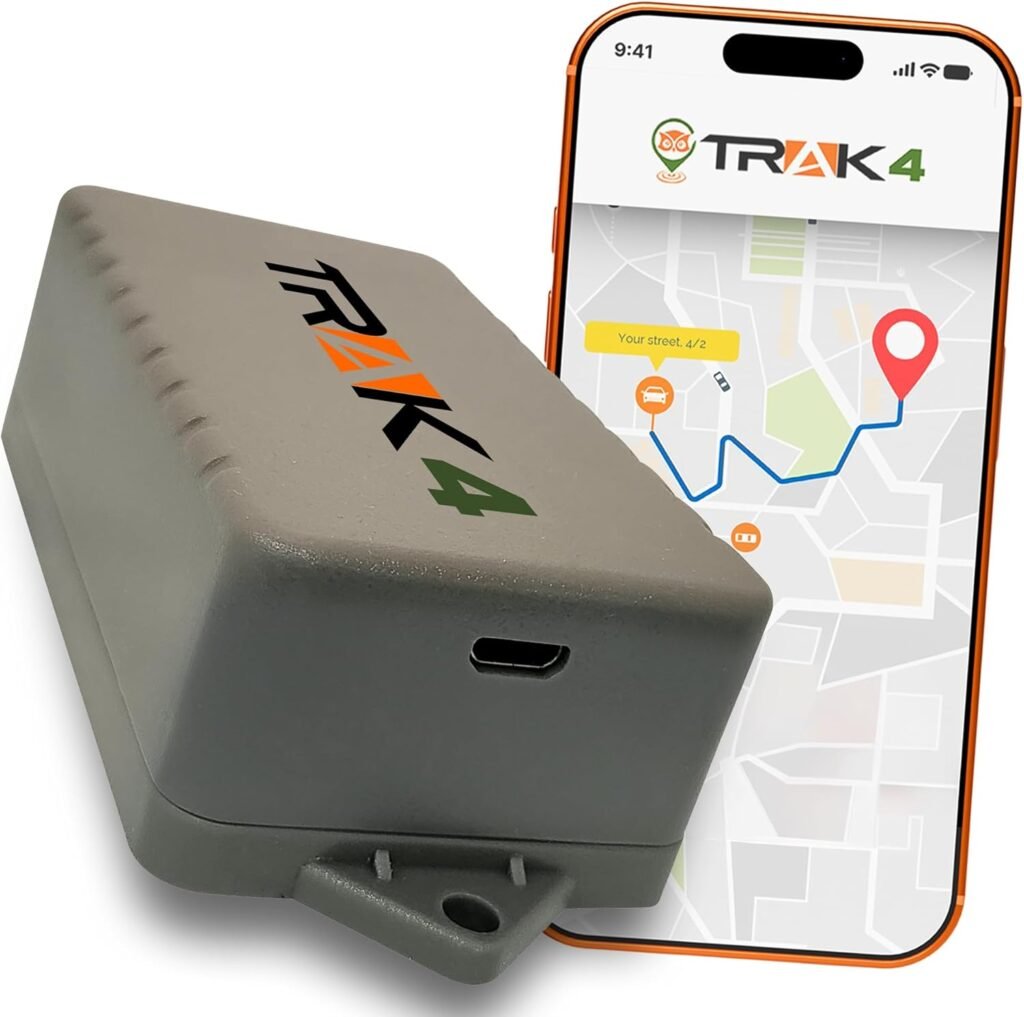
Big iron is easy to justify wiring up, but the small stuff is where fleets lose visibility. Attachments, generators, light towers, and even tool carts walk off or sit forgotten. Compact battery-powered GPS asset trackers fill that gap without a wiring job.
These pucks stick or bolt onto any asset and report location on a schedule for months on a single charge. They are inexpensive enough to spread across dozens of minor items. You can browse a range of GPS asset trackers for equipment on Amazon to cover the gear your main telematics platform misses.
The goal is full coverage, not partial. Incomplete visibility produces wrong decisions, like renting a machine you already own but cannot find. Closing the gap on small assets keeps the whole picture honest.
Setup mistakes that quietly kill the payback
Tracking only pays when the data is trusted and acted on. The most common failure is treating the device as the finish line rather than the starting point. Hardware on a machine that nobody monitors is just an expensive sticker.
The second trap is patchy coverage across mixed fleets. If owned machines are tracked but rentals and attachments are not, the dashboard lies by omission. Standardize the data flow across every asset class before you trust the numbers.
The third is ignoring integration. Tracking data is most powerful when it connects to your scheduling, cost, and maintenance systems. Left on its own, it stays observational instead of driving decisions.
Frequently asked questions
Does heavy equipment tracking need internet on site?
No site Wi-Fi is required. Units transmit over cellular or satellite networks, so they work even on remote campuses before any local connectivity is installed.
Can I track rented machines too?
Yes. Many rentals arrive with OEM telematics, and you can add a clip-on tracker to anything that does not. Covering rentals is essential for accurate utilization.
How accurate is the location data?
GPS positioning is accurate to a few meters, which is more than enough to find a machine in a staging yard or confirm it left a geofenced zone.
Is tracking worth it for smaller equipment?
Often yes. Low-cost battery trackers on attachments and generators close visibility gaps that lead to lost gear and unnecessary rentals.
What is the biggest payback on a data center build?
Protected schedule. With delay costs running into millions per month, avoiding lost or down machines is where tracking earns its keep fastest.
Build your own kit the smart way
Whether you run a megacampus fleet or a one-machine crew, the same principle holds: you cannot manage what you cannot see. Start with full coverage and add trackers where the gaps are.Shop GPS asset trackers on Amazon
Also Read On:
How to Use and Maintain Your Jack to Make It Last Longer
