Milwaukee vs DeWalt Impact Wrench: An Honest Comparison
When you need an impact wrench that handles stubborn lug nuts, rusted bolts, and heavy automotive work, two names dominate the conversation. Milwaukee and DeWalt have spent decades building cordless tools that professionals trust on job sites and in garages across the world. Choosing between them is rarely simple because each brand brings something unique to the table.
In this honest comparison, you will see how Milwaukee and DeWalt stack up across torque, battery performance, build quality, ergonomics, features, price, and warranty. By the end, you will know exactly which brand fits your work style and your budget.
This post contains affiliate links. We earn a commission when you purchase through our links at no extra cost to you. We only recommend products we’ve personally tested and use ourselves.
Quick Verdict: Which One Wins?
If you want maximum raw torque and a deeper ecosystem of red tools, Milwaukee usually edges ahead. If you want lighter weight, balanced ergonomics, and access to one of the most widely stocked battery platforms in North America, DeWalt is the smart pick. Both deliver pro grade performance built for daily abuse. The real question is which tradeoffs you accept based on your daily workflow, the size of your existing battery collection, and the type of jobs you tackle most often. Neither brand will let you down on a heavy duty workday, so this comes down to fit and feel.
Torque and Power Output
Torque is where impact wrenches earn their reputation. Milwaukee leads the industry with bold numbers. The Milwaukee M18 FUEL high torque impact wrench (model 2767) delivers up to 1,000 foot pounds of fastening torque and 1,400 foot pounds of nut busting torque. That kind of muscle handles truck wheels, suspension bolts, and seized fasteners that would defeat lesser tools. Check the Milwaukee 2767 price on Amazon.
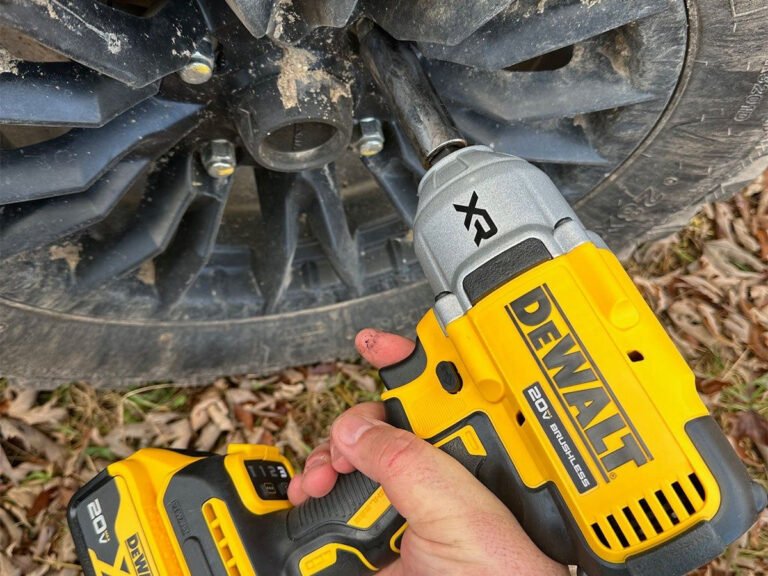
DeWalt counters with the DCF900 and DCF961 series. The DCF961 produces around 1,200 foot pounds of fastening torque and roughly 1,900 foot pounds of nut busting torque, which actually surpasses many Milwaukee models on paper. The DCF899 is the older but still reliable option, offering 700 foot pounds of fastening torque in a compact body. Check the DeWalt DCF961 price on Amazon.
For everyday automotive and mechanical use, both brands give you more than enough power. If you regularly battle Class 8 truck lugs or industrial fasteners, the high end DeWalt and Milwaukee models trade blows at the very top of the cordless market.
Battery and Runtime
Milwaukee runs on its M18 platform, which now includes more than 250 compatible tools. The latest High Output and Forge batteries dramatically improve runtime and power delivery. A single charge with a 12 amp hour pack can power your impact wrench through hundreds of lug nuts before needing a swap.
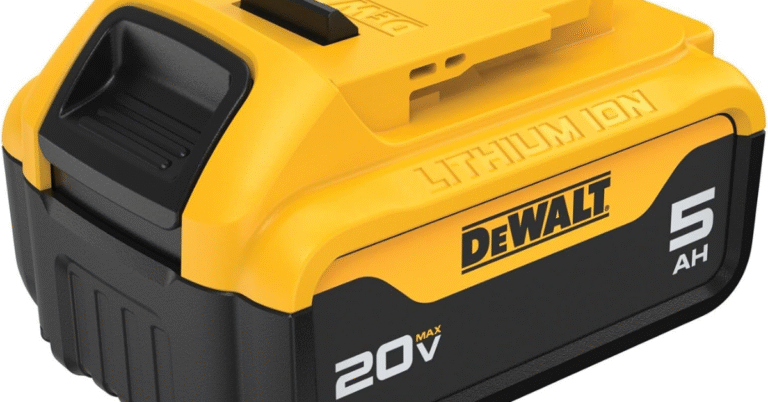
DeWalt uses the 20V MAX and FlexVolt systems. FlexVolt batteries are clever because they switch between 20V and 60V depending on the tool, giving you flexibility across saws, grinders, and impact wrenches. The 20V MAX 12 amp hour pack offers strong runtime, though many users find Milwaukee batteries last slightly longer under heavy load.
If you already own tools from either ecosystem, that loyalty matters more than minor performance gaps. Sticking with one battery platform saves you money and clutter. Chargers also play a role here. Milwaukee Rapid Chargers refill larger packs in roughly 40 minutes, while DeWalt fast chargers reach similar speeds with the FlexVolt lineup. Both brands let you keep working with minimal downtime if you rotate two batteries during the day.
Build Quality and Durability
Both brands engineer their impact wrenches for tough conditions. Milwaukee uses a magnesium gear case and a reinforced metal hammer assembly, which means your tool can survive falls from the truck bed and dust storms on a construction site. The build feels solid in your hand without being needlessly bulky.
DeWalt counters with its rubber over molded housing and steel reinforced internals. The DCF961 has a metal anvil and a sealed switch designed to resist debris. Both wrenches earn high marks for surviving repeated drops, exposure to oil, and full days of professional abuse.
In the long run, you can expect five plus years of heavy use from either brand if you maintain them properly. Reports of premature failure are rare for both, though Milwaukee tools often command a slight edge in resale value.
Ergonomics and Weight
Weight matters when you spend all day swinging a wrench above your head or under a vehicle. The Milwaukee 2767 weighs about 7.2 pounds with a 5 amp hour battery, which feels heavy but balanced. The grip is contoured rubber that stays comfortable through long sessions.
The DeWalt DCF961 weighs around 6.7 pounds with a similar battery, giving it a slight ergonomic advantage. The handle on DeWalt impact wrenches has a slimmer profile that suits smaller hands better, while Milwaukee handles feel chunkier and provide more leverage.
If you have larger hands and want maximum grip, Milwaukee fits like a glove. If you need lighter weight for overhead work or extended sessions, DeWalt usually wins this category.
Speed and Control Features
Modern impact wrenches do more than just blast bolts loose. Milwaukee offers four speed settings on its M18 FUEL models, including a Drive Control setting that prevents overtightening and bolt damage. This precision is valuable when you work with aluminum wheels, suspension components, or anything where stripped threads cost money.
DeWalt includes three speed settings plus a precision wrench mode on newer models. The DCF961 even has a hog ring anvil option for quick socket changes, which mechanics appreciate.
Both brands now include LED work lights, electronic clutches, and durable triggers with variable speed response. You will not miss any meaningful feature regardless of which side you choose.
Price and Overall Value
Milwaukee tools typically cost more than DeWalt at the bare tool level. A Milwaukee M18 FUEL 2767 bare tool runs around $349, while a kit with two batteries and charger can reach $599 or higher. The price reflects performance and the strength of the M18 ecosystem.
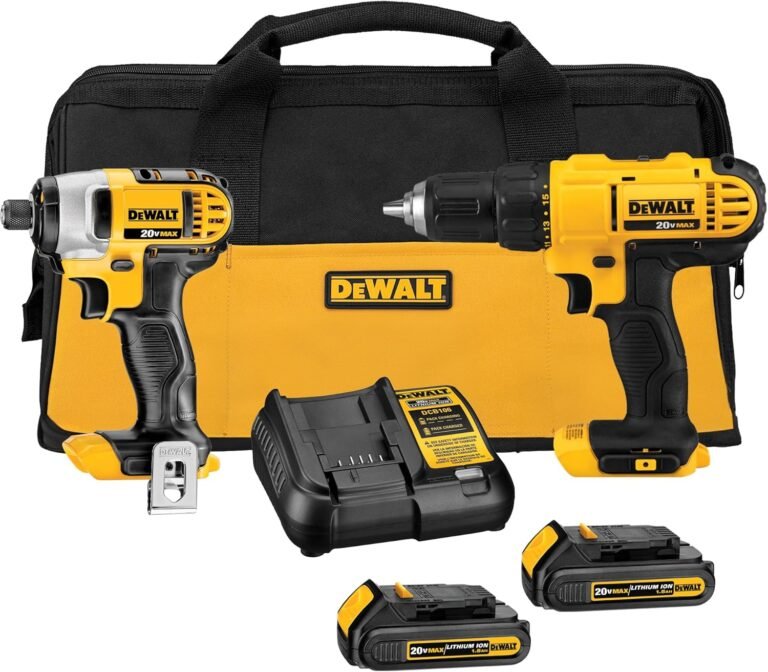
DeWalt usually undercuts Milwaukee by 10 to 20 percent on comparable models. A DeWalt DCF899 bare tool sells for about $229, and complete kits often dip below $400 during promotions. For budget conscious buyers, DeWalt is the easier purchase.
That said, if you plan to expand your tool collection over years, the slightly higher Milwaukee investment often pays off through tool variety and resale value.
Warranty and Support
Milwaukee offers a five year limited warranty on most M18 power tools and a three year warranty on M18 batteries. The brand also runs a strong service network through Home Depot and authorized service centers.
DeWalt provides a three year limited warranty, plus a one year free service contract and a 90 day money back guarantee on most products. Customer service is well rated, and DeWalt repair centers are plentiful in North America.
Both companies stand behind their tools. Milwaukee gives you longer coverage out of the box, while DeWalt has more retail availability in many regions.
Which Impact Wrench Should You Buy?
Choose Milwaukee if torque, runtime, and ecosystem depth matter most. The M18 FUEL family is a powerhouse for professional mechanics, contractors, and serious DIY enthusiasts who plan to stay loyal for the long haul.
Choose DeWalt if you want lighter tools, lower prices, and a battery platform you can find at virtually every hardware store. The DCF961 is also a beast on paper, so you are not sacrificing performance by going yellow.
Final Verdict
Both Milwaukee and DeWalt make impact wrenches that earn their place in any serious tool kit. The right choice depends on your battery loyalty, hand size, and budget rather than any glaring weakness. Whichever side you pick, you walk away with a cordless powerhouse ready to handle the toughest jobs you throw at it. Just make sure you pair the wrench with high amp hour batteries and impact rated sockets to get the most out of your investment.
Also Read On:
Best Tool Brands in 2026: Complete Rankings