Best Oxygen Safety Monitor Picks: 5 O2 Sensors to Protect Your Lungs in 2026
A reliable oxygen safety monitor is the cheapest insurance you can buy before stepping into a garage, basement, tank, or weld booth. Oxygen below 19.5 percent can drop you before you feel a thing. This guide ranks five O2 sensors that warn you in time, then helps you match one to your work.
We independently evaluate all of our recommendations. If you click on links we provide, we may receive compensation.
Top Pick
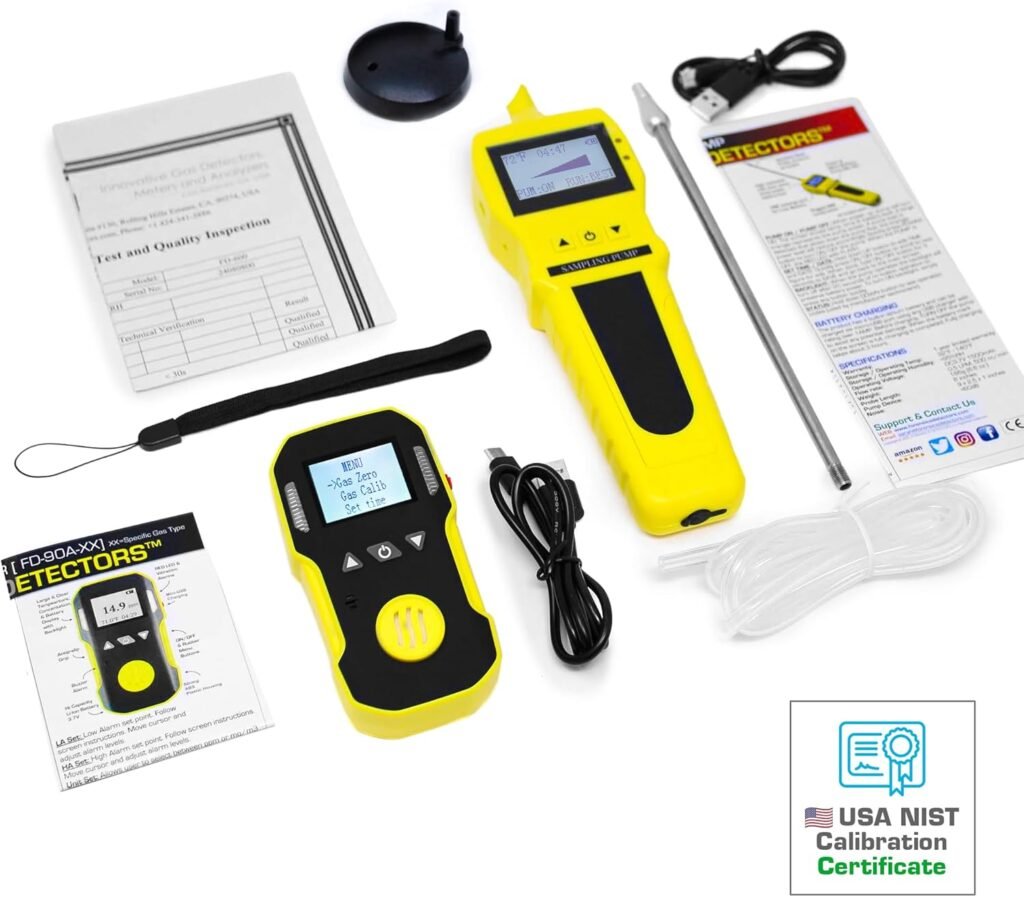
Forensics Detectors FD-90A Portable Oxygen Meter
A pocket-sized handheld O2 meter with a fast electrochemical sensor, loud 85 dB alarm, and a clear backlit display. It reads 0 to 25 percent oxygen with 0.1 percent resolution, which is plenty for spotting deficiency before it becomes dangerous. For most DIYers, welders, and home workshop owners this is the easiest unit to trust.
How to Choose an Oxygen Safety Monitor
Buying the right oxygen safety monitor comes down to four things: where you work, how the alarm reaches you, sensor life, and calibration. Get those right and the price sorts itself out. Below is the short version of what a Nairobi-trained engineer checks first.
Match the Monitor to the Space
Handheld meters suit spot checks in a garage, brewery, or basement before you enter. Clip-on personal detectors ride on your collar and watch the air you actually breathe all shift. If you enter tanks, manholes, or sealed rooms, a wearable that alarms hands-free is the safer call.
Know the Numbers That Matter
Normal breathing air sits at 20.9 percent oxygen. OSHA flags anything below 19.5 percent as oxygen deficient, and high readings above 23.5 percent raise fire risk. Any monitor worth buying alarms low at 19.5 percent and high at 23.5 percent out of the box.
Single Gas or Multi-Gas
A single-gas O2 unit is cheaper, lighter, and ideal if oxygen is your only concern. A 4-in-1 detector adds carbon monoxide, hydrogen sulphide, and combustible gas in one housing. Welders and confined-space crews usually want the multi-gas version.
Sensor Life and Calibration
Electrochemical O2 sensors typically last two to three years, then need replacing. Look for a model with replaceable sensors and a simple fresh-air calibration button. A unit you can service yourself costs far less over its life.
Oxygen Safety Monitors Compared
| Monitor | Type | O2 Range | Alarm | Best For |
|---|---|---|---|---|
| Forensics FD-90A | Handheld | 0 to 25% | 85 dB plus light | Overall |
| Honeywell BW Clip | Wearable single-gas | 0 to 30% | 95 dB plus vibrate | Confined spaces |
| 4-in-1 Multi-Gas | Wearable multi-gas | 0 to 30% | Sound, light, vibrate | Multi-hazard work |
| Clip-On Rechargeable O2 | Wearable single-gas | 0 to 25% | Audible plus visual | Value pick |
| Welding Shop O2 plus CO | Desktop monitor | 0 to 25% | Audible plus app | Weld booths |
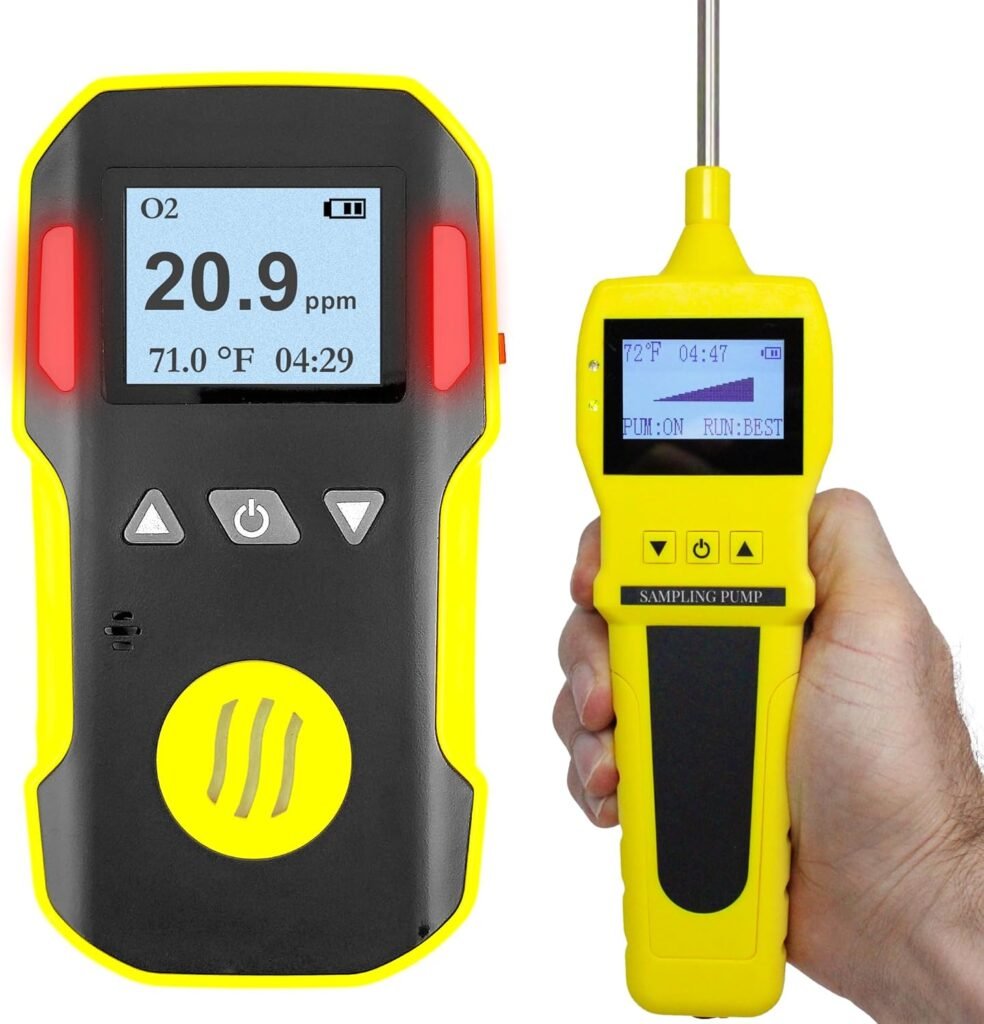
1. Forensics Detectors FD-90A Portable Oxygen Meter
Best Overall Oxygen Safety Monitor
This handheld is the unit I hand to anyone starting out. The sensor responds in seconds, the backlit screen reads clearly in a dark basement, and the low alarm wakes the dead. It covers spot checks before entry and continuous monitoring once you are inside.
| O2 range | 0 to 25 percent, 0.1 percent steps |
| Alarm | 85 dB audible plus red LED |
| Power | USB rechargeable |
| Sensor life | Roughly 2 years, replaceable |
Pros
Fast, accurate readings. Loud alarm. Easy fresh-air calibration. Replaceable sensor keeps long-term cost low.
Cons
Single gas only. No vibration alert for very loud sites.
2. Honeywell BW Clip Single-Gas O2 Detector
Best for Confined Spaces
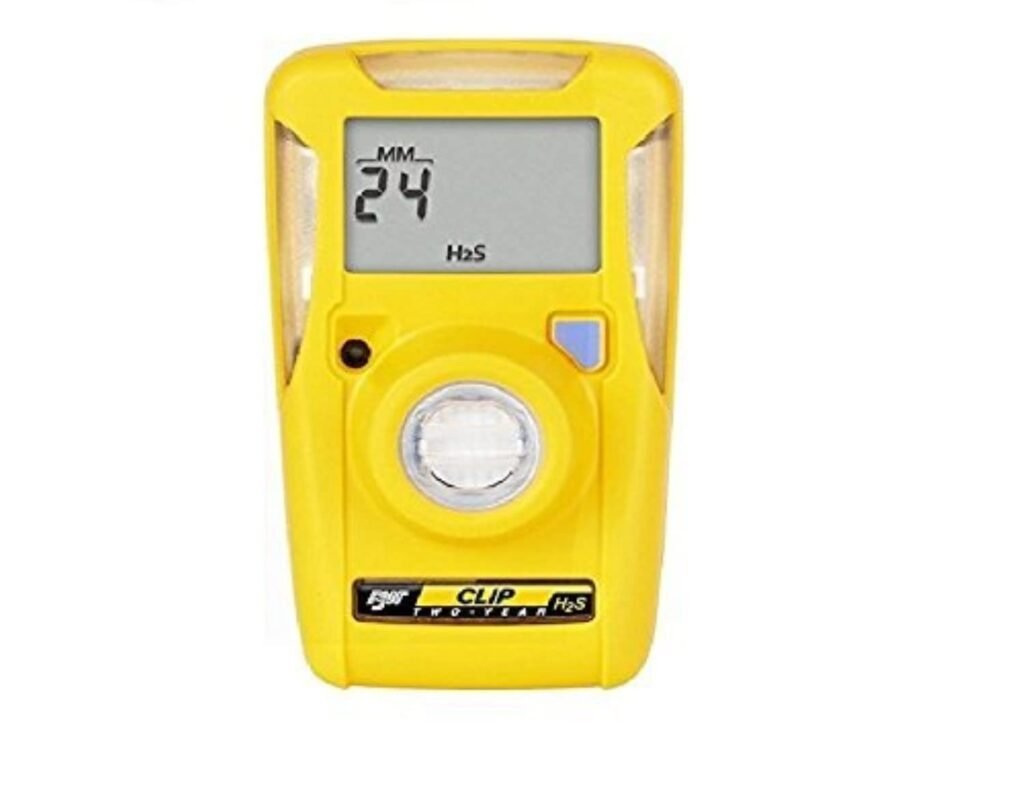
If you enter tanks, vaults, or sealed rooms, you want a wearable that never asks for attention. The BW Clip runs maintenance-free for two years, then you replace the whole unit. There are no batteries to charge and no sensor swaps, which is why crews trust it.
| O2 range | 0 to 30 percent |
| Alarm | 95 dB plus vibration plus flash |
| Power | Sealed 2-year battery |
| Sensor life | 2 years, then replace unit |
Pros
Truly maintenance-free. Strong alarm with vibration. Tough housing. Trusted on professional job sites.
Cons
No screen reading on base model. Whole unit is disposable.
3. 4-in-1 Multi-Gas Detector
Best Multi-Gas Protection
Oxygen is rarely the only hazard. This unit watches O2, carbon monoxide, hydrogen sulphide, and combustible gas at once. For welders, plumbers, and tank crews, four sensors in one pocket housing is the smart buy.
| Gases | O2, CO, H2S, LEL combustible |
| Alarm | Sound, light, and vibration |
| Power | USB rechargeable, long runtime |
| Display | Backlit, all four gases at once |
Pros
Four hazards covered. Vibration alert. Good value versus four separate meters.
Cons
Needs regular calibration. Budget brands vary in build quality.
4. Clip-On Rechargeable O2 Monitor
Best Value Wearable
This is the budget pick that still does the core job well. It clips to your collar, reads oxygen continuously, and alarms low and high. For a home shop or weekend brewer, it covers the basics without the professional price tag.
| O2 range | 0 to 25 percent |
| Alarm | Audible plus visual |
| Power | USB rechargeable |
| Weight | Around 90 grams |
Pros
Affordable. Lightweight and easy to clip on. Clear display for quick checks.
Cons
No vibration alert. Less rugged than pro units.
5. Welding Shop O2 and CO Air Quality Monitor
Best for Weld Booths
Welding eats oxygen and pumps out carbon monoxide and metal fume. This desktop monitor sits in the booth and tracks both, with an app log so you can see trends over a shift. Pair it with good extraction and you protect your lungs properly.
| Tracks | O2 plus carbon monoxide |
| Alarm | Audible plus app alert |
| Logging | App history and export |
| Power | Mains plus battery backup |
Pros
Tracks two key hazards. App logging is great for records. Set and forget on the bench.
Cons
Not wearable. Best as a fixed-point backup, not personal protection.
Scored Verdict
| Monitor | Accuracy | Value | Score |
|---|---|---|---|
| Forensics FD-90A | 9.5 | 9.0 | 9.4 |
| Honeywell BW Clip | 9.3 | 8.5 | 9.1 |
| 4-in-1 Multi-Gas | 8.8 | 9.2 | 9.0 |
| Clip-On Rechargeable | 8.2 | 9.4 | 8.6 |
| Welding O2 plus CO | 8.7 | 8.4 | 8.6 |
Frequently Asked Questions
What oxygen level is dangerous?
Normal air is 20.9 percent oxygen. OSHA treats anything below 19.5 percent as oxygen deficient and unsafe to enter. Readings above 23.5 percent are oxygen enriched and raise fire risk.
Do I really need an oxygen safety monitor for a home shop?
If you weld, run a generator, brew, or work in a basement or closed garage, yes. Oxygen displacement has no smell or warning. A small clip-on monitor removes the guesswork.
How long do these sensors last?
Most electrochemical O2 sensors run two to three years. Some sealed units replace the whole device at that point. Models with replaceable sensors cost less over time.
Should I buy single-gas or multi-gas?
Buy single-gas if oxygen is your only worry and budget is tight. Buy a 4-in-1 if you also face carbon monoxide, hydrogen sulphide, or combustible gas, which is common in welding and tank work.
How do I calibrate an oxygen monitor?
Most units use fresh-air calibration. Take the monitor outdoors into clean air, hold the calibration button, and let it set the baseline to 20.9 percent. Repeat on the maker’s schedule.
The Bottom Line
For most readers the Forensics Detectors FD-90A is the oxygen safety monitor to buy first. Confined-space crews should add the Honeywell BW Clip, and welders should consider the 4-in-1 for full coverage. Whatever you pick, do not enter a low-air space without one.
Also Read On:
Best Smart Safety Helmets and Wearable Tech for 2026
Steel Toe Work Boots: 5 Top-Rated Puncture Resistant Picks for 2026
Best Cut-Resistant and Impact Work Gloves: Top 5 Picks for 2026