Makita vs DeWalt: Which Power Tool Brand is Better?
This post contains affiliate links. We earn a commission when you purchase through our links at no extra cost to you. We only recommend products we’ve personally tested and use ourselves.
If you have ever stood in the power tool aisle trying to decide between a yellow box and a teal one, you already know the struggle. Makita and DeWalt are two of the most respected names in the industry, and both have loyal followings of contractors, woodworkers, and serious DIYers who swear by their tools.
So which brand actually delivers better value, performance, and longevity? You need real answers before dropping serious money on a tool platform. This guide walks you through the key differences in build quality, battery systems, pricing, and warranty so you can make a confident decision for your workshop or job site.
Brand Heritage and Reputation
Makita started life in Japan in 1915 as an electric motor repair company, eventually pivoting to power tools in the late 1950s. Today the brand is known for precision engineering, lightweight designs, and tools that often outlast their warranty periods by years.
DeWalt traces its roots to 1924 in Pennsylvania, when Raymond DeWalt invented the radial arm saw. The brand was later acquired by Stanley Black & Decker and built its reputation on rugged, contractor grade tools that survive the abuse of daily job site use.
Both brands carry serious professional credibility. You will see Makita tools dominating Japanese and European job sites while DeWalt holds strong market share across North America.
Build Quality and Durability
When you pick up a Makita drill or impact driver, you immediately notice how light and balanced it feels in your hand. Makita engineers obsess over ergonomics, motor efficiency, and reducing user fatigue during long workdays. Their tools typically feature brushless motors, metal gear housings, and tight manufacturing tolerances.
DeWalt takes a different philosophy. The yellow tools feel heftier and more aggressive, built to withstand drops, dust, and the occasional rain shower. Many DeWalt tools carry IP54 or IP55 ratings against dust and moisture, and the rubber over molds resist chemicals and solvents better than most competitors.
In real world durability tests, both brands hold up remarkably well over years of heavy use. Makita tends to win on motor longevity and finesse, while DeWalt edges ahead on impact resistance and survival in punishing environments. If you work in dusty, wet, or extreme conditions, DeWalt has a slight edge. If you value precision and lightweight balance, Makita pulls ahead.
You can browse the current Makita cordless drill lineup and the DeWalt cordless drill collection to compare current models side by side.
Battery Platforms and Tool Range
This is where the decision gets serious. When you commit to a power tool brand, you are really committing to a battery platform that will power every cordless tool you buy for the next decade.
Makita runs two main systems. The 18V LXT platform is their flagship, with over 275 tools sharing the same battery. They also offer 40V XGT, a newer high voltage system for demanding applications like rotary hammers and large grinders. You can even pair two 18V batteries for 36V output on certain tools.
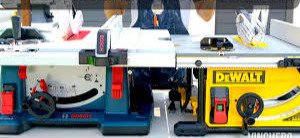
DeWalt counters with its 20V MAX platform, which is technically the same voltage as Makita 18V (the difference comes down to how each brand measures voltage). DeWalt also offers FlexVolt, a 60V battery that automatically switches between 20V and 60V depending on the tool. This gives you incredible versatility, especially for table saws, miter saws, and other heavy duty equipment.
The tool selection is roughly equal in size, with both brands offering everything from impact drivers to chainsaws to inflators. Makita generally has more specialized tools for trades like flooring, plumbing, and HVAC. DeWalt typically wins on outdoor power equipment and large stationary tools.
If you primarily do woodworking, finish carpentry, or precision trade work, Makita gives you more options. If you handle framing, demolition, concrete work, or outdoor projects, DeWalt covers you better.
Performance on the Job Site
Numbers on a spec sheet only tell part of the story. What matters is how these tools perform when you are running them hard for eight hours straight.
Makita brushless tools tend to deliver smoother, quieter operation with less vibration. Their impact drivers are particularly impressive, offering multiple speed settings that prevent you from overdriving screws into soft materials. The 18V LXT chargers also rank among the fastest in the industry, refilling most batteries in under 30 minutes.
DeWalt tools push raw power and torque numbers that look impressive on paper. Their FlexVolt circular saws, for example, can rip through framing lumber faster than most corded equivalents. The tradeoff is slightly more vibration and noise compared to Makita.
For battery runtime under load, both brands perform similarly when you compare equivalent amp hour ratings. A 5.0Ah Makita battery will give you about the same runtime as a 5.0Ah DeWalt pack on similar tools.
Price and Value
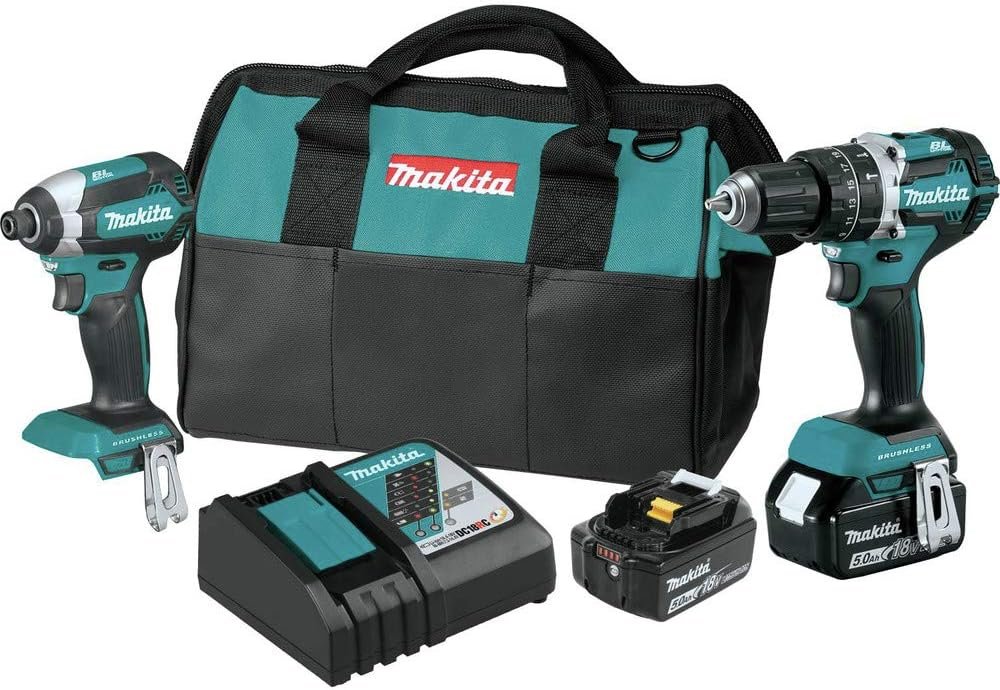
Pricing is closer than most buyers expect. At the bare tool level, individual Makita and DeWalt tools often retail within $20 of each other. Where the math gets interesting is in combo kits.
DeWalt tends to offer more aggressive combo kit pricing, especially during holiday sales and at warehouse retailers. You can frequently find DeWalt five tool combo kits at significant discounts that include batteries, charger, and a contractor bag.
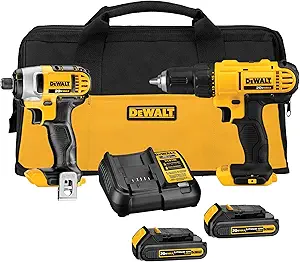
Makita combo kits cost slightly more upfront but include premium features like brushless motors across the entire kit and higher capacity batteries as standard. Over a five year ownership period, total cost of ownership often evens out between the two brands.
Check current pricing on the DeWalt 20V MAX combo kit and the Makita 18V LXT combo kit before making your final decision.
Warranty and Customer Support
Both brands offer comparable warranty protection. Makita provides a 3 year limited warranty on most tools and a 3 year warranty on LXT batteries. DeWalt offers a similar 3 year limited warranty plus a 1 year free service contract on most tools.
Service network coverage favors DeWalt slightly in the United States, with more authorized service centers across rural areas. Makita has fewer but generally faster service centers concentrated in metropolitan regions.
Both brands honor warranties fairly when you can prove the tool was used as intended. Keep your receipts and register your tools online to make warranty claims smoother if you ever need them.
Which Brand Should You Choose?
Choose Makita if you value lightweight tools, smooth operation, precision work, and a massive single platform tool selection. Finish carpenters, cabinet makers, electricians, and HVAC technicians often prefer the LXT system for these reasons.
Choose DeWalt if you need rugged durability, raw power, FlexVolt versatility, and excellent combo kit value. Framers, remodelers, concrete contractors, and outdoor crews tend to gravitate toward the 20V MAX system.
For homeowners and weekend DIYers, either brand serves you well. The decision often comes down to which combo kit is on sale when you are ready to buy, and which color you prefer seeing on your workbench.
Final Verdict
Both Makita and DeWalt sit at the top of the power tool world for good reason. You cannot really make a wrong choice between these two brands. Makita rewards you with refinement, balance, and a tool for almost every specialty. DeWalt rewards you with toughness, raw output, and unbeatable combo kit value.
Your best move is to handle both brands in person before committing to a platform. Visit a tool retailer, pick up the drills, feel the weight, test the trigger response, and see which one feels right in your hand. Once you choose a platform, stay loyal to it so your batteries and chargers work across your entire growing tool collection.
Also Read On:
Best Chainsaws for Homeowners: Top Picks 2026